Dhanwanthari Ayurveda

Dhanwanthari Ayurveda

Ayurvedic Treatment for Cold and Fever
Blog

Ayurvedic Treatment for Cold and Fever in Winter: How Dhanwanthari Ayurveda Strengthens Immunity Naturally

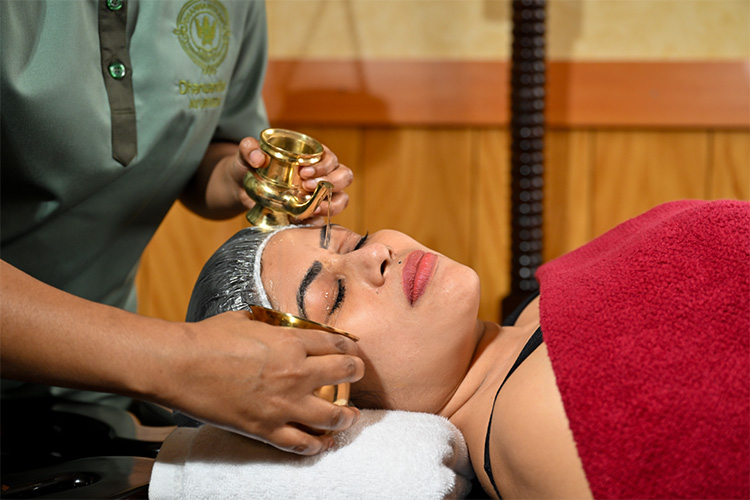
Winter often brings with it a familiar set of challenges—runny noses, sore throats, low energy, and persistent fevers. While modern medicine can provide temporary relief, it often fails to address the underlying imbalance that leads to recurrent illness. Ayurveda, on the other hand, focuses on restoring harmony within the body, strengthening the immune system, and preventing future infections. Ayurvedic Treatment for Cold and Fever offers a natural and holistic approach to wellness, helping you stay healthy and energetic throughout the chilly months. Understanding Cold and Fever Through Ayurveda According to Ayurvedic principles, cold and fever occur due to an imbalance in the doshas—Vata, Pitta, and Kapha. During winter, Kapha dosha (which governs mucus, lubrication, and stability) tends to accumulate in the body. When combined with weakened digestive fire or “Agni,” it can result in sluggish metabolism, poor immunity, and increased susceptibility to infections. A cold, therefore, is seen not just as a viral attack but as a manifestation of Kapha imbalance—characterized by congestion, heaviness, cough, and lethargy. Fever, known as “Jwara” in Ayurveda, is considered a systemic response where the body attempts to burn out toxins or “Ama” that have accumulated due to improper digestion or external infection. Ayurvedic Treatment for Cold and Fever focuses on strengthening Agni, eliminating toxins, and balancing the doshas through herbs, diet, and therapeutic procedures. Common Causes of Cold and Fever in Winter The drop in temperature and humidity during winter makes the body more vulnerable to infections. However, Ayurveda identifies deeper causes behind recurrent colds and fevers: Weakened digestive fire (Agni) leading to toxin buildup Kapha imbalance due to cold, heavy, or oily foods Poor lifestyle habits, such as a lack of rest or irregular eating Suppressed immunity from stress, overexertion, or poor sleep Addressing these root causes is key to long-term wellness and prevention. Ayurvedic Herbs That Support Immunity One of the strongest pillars of Ayurvedic Treatment for Cold and Fever is herbal therapy. Several potent herbs are used to enhance immunity and relieve symptoms naturally: Tulsi (Holy Basil): Known for its antiviral and antibacterial properties, Tulsi helps clear respiratory passages, reduce fever, and strengthen immunity. Ginger (Adrak): A warming herb that improves digestion and helps expel mucus. It also boosts circulation and detoxifies the system. Turmeric (Haldi): Rich in curcumin, it acts as a powerful anti-inflammatory and antioxidant that supports immune health. Guduchi (Giloy): Known as “Amrita,” it reduces fever, combats infections, and rejuvenates body tissues. Ashwagandha: This adaptogen strengthens the body’s resistance to stress, supports immune function, and promotes overall vitality. View this reel on Instagram   A post shared by … Panchakarma: Detox and Strengthen the Body When chronic colds or fever keep recurring, it’s often a sign of toxin accumulation. Panchakarma, Ayurveda’s detoxification therapy, is an effective solution to eliminate deep-seated impurities and restore doshic balance. At the Best Ayurvedic Clinic in Dubai, experts perform Panchakarma under personalized guidance. Treatments like Abhyanga (therapeutic oil massage), Swedana (steam therapy), and Nasya (nasal detox) help clear congestion, open channels, and enhance respiratory health. These therapies not only treat current symptoms but also prevent future illnesses by improving immunity and vitality. Dietary Guidelines for Winter Wellness Diet plays a vital role in maintaining immunity during the cold season. Ayurveda recommends foods that balance Kapha and strengthen digestion. Here are a few dietary tips: Include warm, light, and freshly cooked meals. Use immune-boosting spices such as black pepper, cinnamon, and cardamom. Drink warm water or herbal teas infused with Tulsi, ginger, or turmeric. Avoid cold, oily, or dairy-heavy foods that aggravate Kapha. Include seasonal fruits and vegetables, especially those rich in vitamin C. A strong digestive fire ensures that the body efficiently absorbs nutrients, keeping your energy high and immunity strong. Lifestyle Practices to Prevent Illness Alongside Ayurvedic Treatment for Cold and Fever, lifestyle modifications play a crucial role in maintaining balance. Wake up early and expose yourself to gentle morning sunlight. Practice deep breathing exercises (Pranayama) to clear respiratory channels. Sleep adequately, as rest supports natural immunity. Avoid daytime naps, which can increase Kapha and lead to congestion. Oil massage with warm sesame oil before a shower helps improve circulation and ward off stiffness in winter. Simple habits, when practiced consistently, can drastically reduce the frequency of seasonal illnesses. How Dhanwanthari Ayurveda Strengthens Immunity Naturally Dhanwanthari Ayurveda, a reputed wellness center known for its authentic Ayurvedic care, offers personalized treatments designed to strengthen your immunity and restore natural balance. Their team of qualified Ayurvedic doctors provides in-depth consultations to identify your body constitution, dosha imbalances, and underlying causes of frequent colds or fevers. The treatment approach may include a combination of: Customized herbal formulations to support immunity and detoxify the body Therapeutic massages like Abhyanga and Shirodhara to improve circulation and reduce stress Dietary and lifestyle recommendations aligned with your dosha type Seasonal detox programs to eliminate toxins and enhance energy By integrating these therapies, Dhanwanthari Ayurveda helps you transition smoothly through winter with enhanced resistance and vitality. Building Immunity the Ayurvedic Way Ayurveda teaches that prevention is better than cure. Strengthening your body’s natural defences before illness strikes is the most effective approach. Regular Ayurvedic treatments, balanced nutrition, and mindful living create a foundation for sustained wellness. When the body, mind, and spirit are in harmony, the immune system functions optimally—helping you stay free from frequent colds and fevers even during harsh winters. Frequently Asked Questions 1. How does Ayurveda view fever and cold differently from modern medicine?Ayurveda considers fever and cold as signs of internal imbalance and toxin buildup, not just external infections. Treatment focuses on restoring dosha balance and strengthening immunity naturally. 2. Can Ayurvedic treatment help with chronic or recurring colds?Yes. Ayurvedic Treatment for Cold and Fever works on the root cause by improving digestion, detoxifying the system, and boosting long-term immunity, preventing frequent recurrence. 3. Are Ayurvedic remedies safe for children and elderly people?Absolutely. Ayurvedic herbs and therapies are natural and can be safely customised for all age groups under expert guidance. 4. How long does

Ayurvedic Skin Care in Winter
Blog

Ayurvedic Skin Care in Winter: How Dhanwanthari Ayurveda Keeps Your Skin Soft, Glowing, and Vata-Balanced

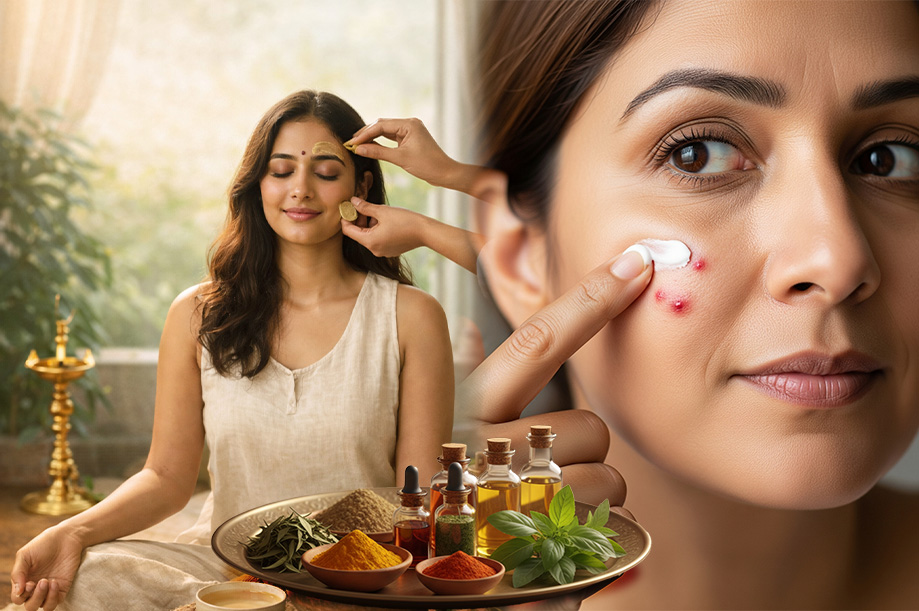
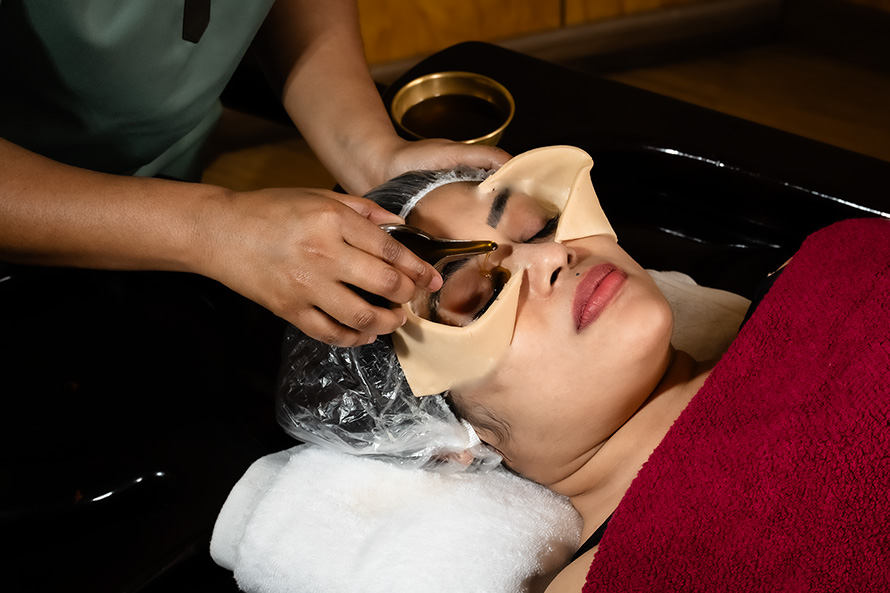
When the winter breeze sets in, our skin often pays the price. Dryness, flakiness, rough texture, and a dull complexion become common concerns as temperatures drop and humidity levels decrease. While most people reach for heavy creams and moisturizers, Ayurveda offers a deeper, more holistic solution. Ayurvedic Skin Care in Winter is about balancing the body’s internal energies—especially the Vata dosha—to nurture the skin from within and restore its natural glow. Ayurveda, the ancient Indian system of wellness, believes that our skin reflects our internal health. During winter, the Vata dosha—characterized by dryness, cold, and roughness—dominates, making it essential to adapt skincare rituals that counter these qualities. This is where the time-tested therapies and herbal formulations of Dhanwanthari Ayurveda come into play, providing nourishment, hydration, and rejuvenation tailored to each individual’s body constitution. Understanding the Winter Skin Challenge Winter is synonymous with Vata aggravation in Ayurvedic science. Vata governs movement, air, and space elements in the body. When it becomes imbalanced, it leads to dryness, dehydration, and premature aging of the skin. Common symptoms include: Tightness and rough texture Cracked lips and heels Flaky or itchy patches Increased sensitivity Dull and lifeless appearance Conventional skincare products often offer temporary relief but fail to address the root cause. Ayurvedic Skin Care in Winter emphasizes internal nourishment through warm oils, herbs, diet, and lifestyle adjustments that keep the Vata energy stable, ensuring lasting skin health and radiance. The Ayurvedic Approach to Winter Skincare Ayurveda teaches that true beauty begins with balance—inside and out. When the doshas are harmonized, the skin naturally radiates vitality. For winter, Ayurvedic skincare focuses on three pillars: hydration, nourishment, and rejuvenation. 1. Abhyanga: The Power of Self-Massage One of the most effective Ayurvedic rituals for winter is Abhyanga, the daily self-massage using warm herbal oils. Sesame oil, in particular, is known for its deep-penetrating and Vata-pacifying qualities. Regular Abhyanga improves blood circulation, strengthens tissues, and locks in moisture, leaving the skin supple and glowing. At Dhanwanthari centers, customized Abhyanga therapies are enhanced with herbs like ashwagandha, manjistha, and bala, which nourish the skin and promote a youthful tone. 2. Herbal Steam and Cleansing Gentle steaming using Ayurvedic herbs such as neem, tulsi, or vetiver helps open pores and remove impurities. Unlike harsh chemical exfoliants, these herbs purify the skin naturally without disturbing its natural oils. Herbal steam also improves the absorption of moisturizers and oils applied afterward. 3. Nourishing Herbal Masks Winter skin thrives on herbal nourishment. Ayurvedic face packs made from sandalwood, turmeric, licorice, and rose petals not only brighten the complexion but also calm inflammation and dryness. Applying these masks once or twice a week maintains softness and radiance. View this reel on Instagram   A post shared by … Diet and Lifestyle for Vata-Balanced Skin Ayurveda emphasizes that what we eat has a direct impact on our skin’s appearance. In winter, a diet that counters the cold and dryness of Vata is essential. Recommended foods include: Warm soups, stews, and porridges Ghee, sesame oil, and avocados for internal hydration Sweet, sour, and salty tastes to balance Vata Herbal teas made with ginger, cinnamon, and cardamom Lifestyle practices: Get adequate sleep and manage stress through meditation or yoga. Avoid long exposure to cold winds or very hot showers. Hydrate regularly with warm water rather than cold drinks. Together, these practices form the foundation of Ayurvedic Skin Care in Winter, keeping your skin nourished and vibrant from within. Specialized Winter Skin Treatments For those seeking professional care, Ayurveda offers specialized therapies that rejuvenate the skin at a deeper level. These treatments are tailored to individual doshas and skin types, ensuring personalized results. 1. Shirodhara This therapy involves gently pouring warm herbal oil over the forehead, promoting relaxation and hormonal balance. It indirectly enhances skin texture by reducing stress, a major contributor to dull and aging skin. 2. Mukha Lepam A traditional Ayurvedic facial treatment using herbal pastes, oils, and decoctions customized for Vata, Pitta, or Kapha skin types. In winter, Vata-pacifying ingredients like rose, aloe vera, and turmeric are commonly used to restore moisture and glow. 3. Udvartana This herbal powder massage gently exfoliates the skin, removing dead cells and stimulating circulation. It’s an excellent therapy for maintaining smooth, soft skin during cold weather. Such therapies, available as part of Ayurvedic Cosmetic Care in Dubai, are ideal for individuals looking for natural yet effective winter skincare alternatives. The Role of Herbs in Ayurvedic Skin Care in Winter Ayurveda harnesses the healing power of herbs to rejuvenate skin cells and restore vitality. Some of the most beneficial winter herbs include: Aloe Vera: Deeply hydrates and heals chapped skin. Sandalwood: Calms irritation and restores brightness. Manjistha: Purifies blood and improves skin tone. Ashwagandha: Strengthens tissues and reduces dryness. Licorice: Lightens pigmentation and adds a natural glow. These herbs, when used in the right combinations, not only nurture the skin but also help balance internal energies, promoting long-term radiance. Why Choose Dhanwanthari Ayurveda for Winter Skincare With decades of experience in authentic Ayurvedic treatments, Dhanwanthari combines traditional wisdom with modern diagnostic techniques to offer personalized skincare solutions. Each therapy is designed to harmonize the mind, body, and spirit, ensuring that beauty is both natural and sustainable. Whether through rejuvenating oil massages, herbal facials, or customized wellness plans, Dhanwanthari’s experts address the unique needs of every individual, helping them achieve soft, radiant, and Vata-balanced skin throughout the winter season. Conclusion Ayurvedic Skin Care in Winter is not just about preventing dryness—it’s about restoring balance and nurturing the body holistically. By integrating Ayurvedic rituals, herbal therapies, and mindful living, you can maintain soft, glowing, and youthful skin even during the harshest cold months. Embrace this season as an opportunity to slow down, rejuvenate, and reconnect with your body’s natural rhythms. With the right guidance from Ayurvedic experts and regular self-care, your skin can remain resilient, radiant, and Vata-balanced all year long. FAQs 1. What is the best Ayurvedic oil for winter skin care?Sesame oil is considered the best Vata-pacifying oil for

Ayurvedic Treatment for Shoulder Pain
Blog

Ayurvedic Treatment for Shoulder Pain in Winter: How Dhanwanthari Ayurveda Relieves Stiffness Naturally

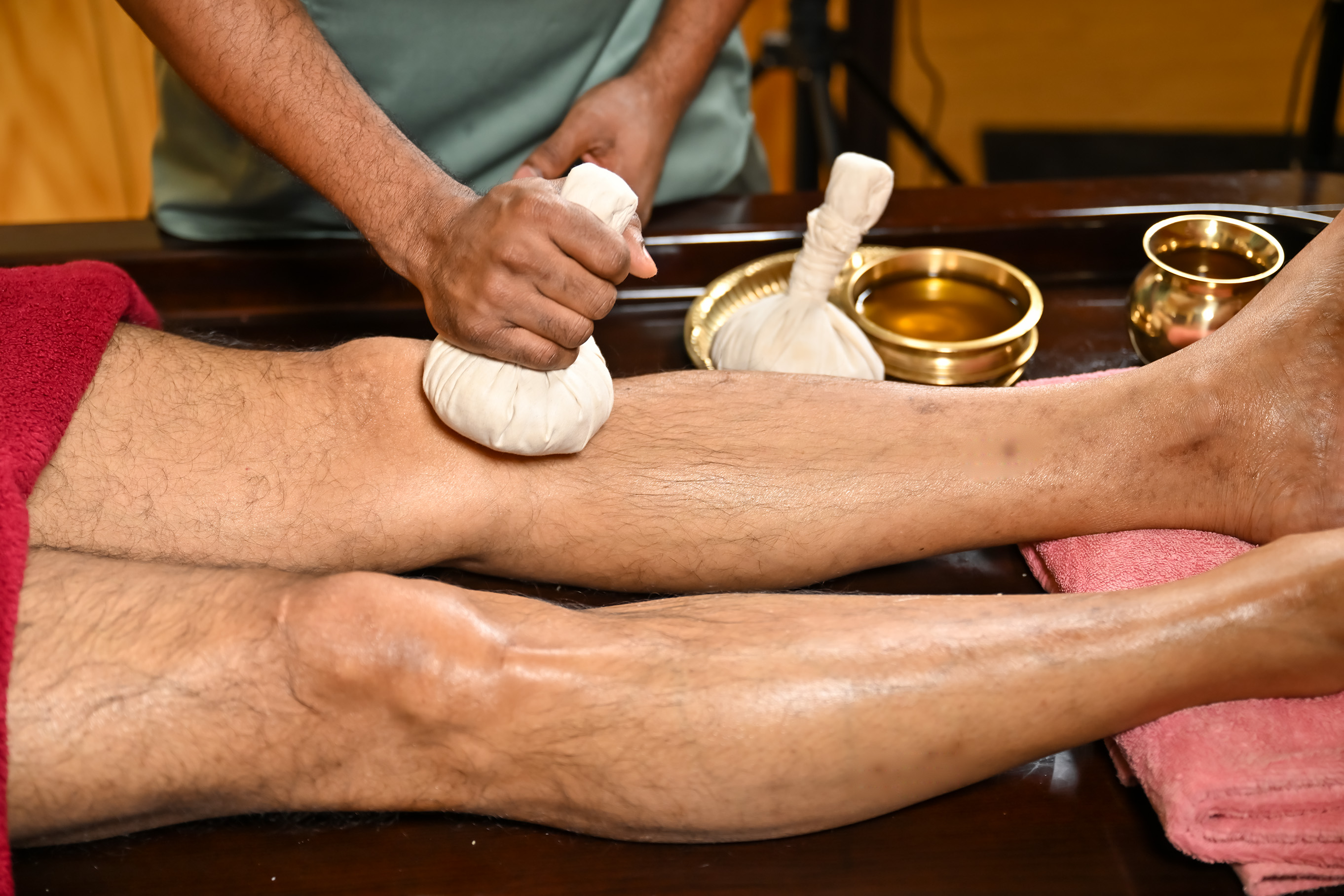
As winter sets in, many people experience a familiar discomfort—stiffness, pain, and limited mobility in their shoulders. Cold weather can aggravate joint and muscle conditions, making daily movements like lifting, reaching, or even sleeping uncomfortable. For those seeking long-term relief without relying on painkillers, Ayurvedic Treatment for Shoulder Pain offers a safe, natural, and deeply restorative solution. Rooted in ancient healing wisdom, Ayurveda identifies the root cause of pain and addresses it through therapies, diet, and lifestyle changes. At Dhanwanthari Ayurveda, specialized treatments and personalized care plans help patients overcome shoulder pain, especially during colder months when stiffness peaks. Combining traditional therapies with modern diagnostic approaches, Dhanwanthari’s holistic programs focus on reducing inflammation, enhancing blood circulation, and restoring joint flexibility. Understanding Shoulder Pain in Winter The shoulder is one of the most mobile joints in the human body, making it prone to various types of pain—frozen shoulder, tendonitis, bursitis, and rotator cuff injuries being the most common. During winter, the drop in temperature leads to reduced blood flow and muscle contraction, which can cause stiffness, swelling, and discomfort. People suffering from arthritis, past injuries, or muscle strain often notice an increase in shoulder pain as the cold intensifies. In Ayurveda, this is linked to an imbalance in Vata dosha, which governs movement and flexibility. When Vata increases, especially during the dry and cold winter season, it can result in joint pain, cracking sounds, and limited mobility. Ayurvedic Perspective on Shoulder Pain According to Ayurveda, shoulder pain is primarily a Vata Vyadhi—a disorder caused by excess Vata. This dosha imbalance leads to dryness and constriction in the muscles and joints. The goal of Ayurvedic Treatment for Shoulder Pain is to balance the aggravated Vata through Snehana (oiling), Swedana (sudation), Abhyanga (massage), and Panchakarma therapies. These treatments not only relieve pain but also improve lubrication in the joints, remove accumulated toxins (Ama), and rejuvenate the muscles and ligaments. The result is sustainable pain relief and enhanced shoulder flexibility. Watch the Instagram video below to see how Ayurvedic therapies at Dhanwanthari Ayurveda help relieve shoulder pain naturally and restore joint flexibility. View this reel on Instagram   A post shared by … Key Ayurvedic Therapies for Shoulder Pain at Dhanwanthari Ayurveda At Dhanwanthari Ayurveda, every treatment plan begins with a detailed consultation to identify the root cause of pain. The therapies are then customized to suit each patient’s body type (Prakriti) and the severity of their condition. 1. Abhyanga (Therapeutic Oil Massage) This full-body massage uses warm medicated oils to nourish tissues and improve blood flow. Abhyanga helps relieve stiffness and dryness caused by Vata imbalance, easing shoulder mobility and calming the nervous system. 2. Pizhichil (Oil Bath Therapy) Pizhichil is a luxurious and deeply therapeutic treatment where warm herbal oil is poured continuously over the body. It relaxes tense muscles, lubricates joints, and relieves chronic shoulder pain while detoxifying the body. 3. Elakizhi Therapy in Dubai Elakizhi, or the herbal bundle massage, uses heated pouches filled with medicinal leaves and herbs. The warmth and pressure promote relaxation, reduce inflammation, and restore movement in stiff shoulders. 4. Greeva Vasthi Therapy in Dubai This localized therapy targets the neck and shoulder area. A dam made of herbal dough is placed around the affected region and filled with warm medicated oil. The therapy soothes the shoulder muscles, improves flexibility, and reduces inflammation, making it one of the most effective remedies for frozen shoulder. 5. Panchakarma Detox Panchakarma therapy in Dubai is the cornerstone of Ayurvedic detoxification. It helps eliminate deep-seated toxins, balance doshas, and strengthen muscles and joints from within. Regular sessions during winter can prevent recurrent stiffness and pain. The Role of Diet and Lifestyle in Healing Ayurveda emphasizes that healing extends beyond external treatments. For sustained relief, one must follow a diet and lifestyle that supports Vata balance. Recommended Foods: Warm, cooked meals rich in healthy fats like ghee and sesame oil Soups, stews, and herbal teas to maintain internal warmth Spices like ginger, turmeric, cumin, and black pepper to reduce inflammation Lifestyle Tips: Keep your shoulders warm and covered during cold weather Engage in gentle yoga poses like Gomukhasana (Cow Face Pose) and Garudasana (Eagle Pose) Avoid sudden or jerky shoulder movements Practice regular oil massage to keep joints lubricated By combining external therapies with internal nourishment, Ayurvedic Treatment for Shoulder Pain ensures a holistic recovery—one that strengthens both body and mind. Why Choose Dhanwanthari Ayurveda Dubai? Dhanwanthari Ayurveda Dubai has built a trusted reputation as the Best Ayurvedic Clinic in Dubai, offering specialized care for musculoskeletal issues. Their experienced Ayurvedic practitioners design individualized healing journeys that address not just the pain but its underlying cause. Each therapy is performed using authentic herbal oils and traditional techniques, ensuring safe, natural results. With therapies like Abhyanga, Elakizhi, and Greeva Vasthi Therapy in Dubai, the clinic helps patients regain their mobility and confidence. The focus on detoxification, strengthening, and rejuvenation makes Dhanwanthari a preferred destination for those seeking holistic wellness and Restoring Flexibility This Winter. Benefits of Ayurvedic Treatment for Shoulder Pain Natural Pain Relief:Uses herbal oils and therapies to relieve pain without side effects. Improved Flexibility:Enhances joint mobility through detoxification and lubrication. Long-term Healing:Addresses the root cause of pain, preventing recurrence. Stress Reduction:Promotes relaxation and reduces muscle tension caused by stress. Enhanced Circulation:Improves blood flow, supporting faster tissue repair. The results of Ayurvedic Treatment for Shoulder Pain are cumulative and lasting, especially when combined with proper postural habits and dietary balance. Restoring Balance Through Ayurveda Winter should not be a season of pain and discomfort. Through Ayurveda’s ancient wisdom and Dhanwanthari’s modern approach, you can enjoy warmth, mobility, and strength throughout the colder months. The combination of expert therapy, authentic oils, and lifestyle guidance brings natural comfort back to your shoulders and overall well-being. Conclusion Winter often brings increased stiffness and discomfort, but with the holistic and time-tested power of Ayurvedic Treatment for Shoulder Pain, natural healing is within reach. Dhanwanthari Ayurveda blends ancient techniques with personalized care to relieve shoulder pain,

Panchakarma Treatment in Dubai
Blog

Panchakarma Treatment in Dubai: How Dhanwanthari Ayurveda Restores Balance and Detoxifies Naturally

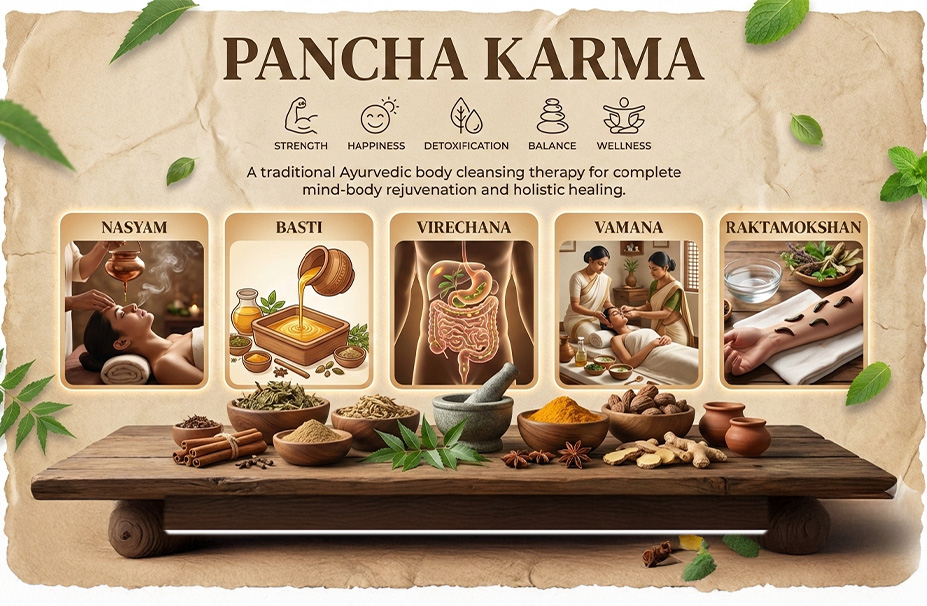
In today’s fast-paced lifestyle, many people struggle with stress, fatigue, and unhealthy habits. These factors slowly build up toxins in the body, disturbing natural balance and leading to several health concerns. Ayurveda, the ancient Indian system of healing, offers a powerful solution — Panchakarma. This traditional therapy helps the body release toxins and regain harmony in a natural way. Dubai, known for its wellness culture, has embraced Ayurveda as a holistic healing system. Among its trusted wellness centers, Dhanwanthari Ayurveda stands out for delivering authentic Panchakarma therapies. The center combines traditional Ayurvedic wisdom with modern comfort to restore health, balance, and vitality. What Is Panchakarma? The term “Panchakarma” means “five actions.” It represents five cleansing and rejuvenating therapies that remove deep-seated toxins and restore the balance of the three doshas — Vata, Pitta, and Kapha. These five actions include: Vamana (Therapeutic Emesis): It helps eliminate excess mucus and toxins from the stomach and lungs, balancing Kapha. Virechana (Purgation): This treatment clears the liver and intestines, helping to balance Pitta and improve digestion. Basti (Enema Therapy): Medicated herbal oils and decoctions are used to cleanse the colon, which helps calm Vata and improve elimination. Nasya (Nasal Cleansing): Herbal oils or powders are administered through the nose to clear toxins from the head and improve mental clarity. Raktamokshana (Bloodletting): This therapy purifies the blood and supports skin and inflammatory conditions. Together, these treatments aim to detoxify, rejuvenate, and strengthen the body from within. Why Panchakarma Treatment in Dubai Is Gaining Popularity Dubai’s modern lifestyle often leads to stress, irregular eating habits, and exposure to pollution. These factors create imbalances that can result in fatigue, poor digestion, or hormonal changes. Therefore, many people are turning to Panchakarma Treatment in Dubai to restore wellness naturally. Unlike short-term detox programs, Panchakarma works on the root cause. It focuses on cleaning the body’s internal systems while improving overall vitality. Before beginning therapy, Ayurvedic doctors conduct a detailed consultation to assess the body type (prakriti) and current imbalance (vikriti). Then, they design a personalized treatment plan that may include oil massages, steam therapy, and cleansing rituals. Consequently, this process not only eliminates toxins but also nourishes the tissues and strengthens immunity. The Dhanwanthari Ayurveda Experience At Dhanwanthari Ayurveda, Panchakarma therapies follow authentic Ayurvedic principles. Skilled doctors and therapists use natural herbal oils and medicines to ensure safety and effectiveness. Here’s what makes their approach unique: Authentic Practice: Every treatment follows traditional Ayurvedic guidelines, ensuring genuine care. Qualified Experts: The team includes certified Ayurvedic practitioners from India with years of clinical experience. Premium Herbal Oils: All formulations are freshly prepared using pure, high-quality ingredients. Holistic Approach: The center combines Panchakarma with lifestyle advice, yoga, and mindfulness practices. Comfortable Environment: Treatment rooms are designed to promote relaxation and healing throughout the process. As a result, each session becomes a restorative experience that renews the body, clears the mind, and uplifts the spirit. Key Benefits of Panchakarma Therapy The benefits of Panchakarma extend far beyond detoxification. It helps rejuvenate the entire system — physically, mentally, and emotionally. Here are some key benefits: Deep Detoxification: Flushes out toxins from the body’s organs and tissues. Better Digestion: Strengthens the digestive fire (Agni) and enhances nutrient absorption. Increased Immunity: Cleanses the system, helping the body resist infections. Stress Relief: Calms the mind, reducing anxiety and restlessness. Youthful Energy: Rejuvenates the skin, boosts energy, and promotes longevity. Ultimately, Panchakarma Treatment in Dubai supports complete wellness, helping individuals feel lighter, clearer, and more balanced. Ayurvedic Full Body Cleansing in Dubai: A Deep Detox One of the most popular wellness services at Dhanwanthari Ayurveda is Ayurvedic Full Body Cleansing in Dubai. This process deeply purifies the body using herbal oils, steam baths, and massage therapies. It also improves circulation, supports digestion, and enhances natural energy levels. Moreover, this cleansing approach focuses on emotional balance. Many people report feeling calmer, lighter, and more focused after completing the therapy. It’s not just about physical detoxification — it’s about achieving harmony between the body and mind. How Dhanwanthari Ayurveda Restores Balance Naturally Balance is central to Ayurvedic healing. Dhanwanthari Ayurveda designs each Panchakarma program to align with the individual’s natural rhythm. The process usually includes: Personalized Consultation: Each client receives a tailored plan based on body type and health goals. Therapeutic Diet: A light and nourishing diet supports cleansing and rejuvenation. Herbal Formulations: Oils and decoctions are chosen to match each person’s dosha balance. Mind-Body Integration: Yoga, breathing exercises, and meditation enhance the healing process. Together, these practices help the body detoxify naturally and restore energy. Over time, clients notice better digestion, clearer skin, improved sleep, and reduced stress. For this reason, Panchakarma Treatment in Dubai has become a preferred choice for holistic well-being. Who Can Benefit from Panchakarma? Almost anyone can benefit from Panchakarma, especially those struggling with chronic fatigue, stress, digestive problems, or skin issues. It’s also helpful for people who wish to strengthen their immune system or rejuvenate naturally. Regular detoxification supports long-term health and prevents the accumulation of toxins that often lead to disease. Even healthy individuals can undergo Panchakarma once or twice a year to maintain balance. Final Thoughts Ayurveda teaches that true health comes from balance — between body, mind, and spirit. Through its time-tested methods, Panchakarma Treatment in Dubai helps you cleanse, rejuvenate, and restore that balance naturally. With its authentic therapies and personalized care, Dhanwanthari Ayurveda continues to bring the ancient wisdom of Ayurveda to modern Dubai. So, if you’re looking to refresh your body and mind, Panchakarma is more than just a treatment — it’s a journey back to your natural state of harmony and vitality. FAQs 1. How long does Panchakarma Treatment in Dubai take?The duration depends on the person’s condition and treatment goals. Usually, it lasts between 7 to 21 days. 2. Can anyone undergo Panchakarma therapy?Yes. However, an Ayurvedic consultation is essential to determine the right approach and ensure safe treatment. 3. What happens during a Panchakarma session?Therapies often include oil massages, steam baths, nasal treatments,

Scroll to Top

Enquiry Now

 Be in touch.