Abhyangam vs Regular Massage: What Makes Ayurvedic Oil Massage Different?
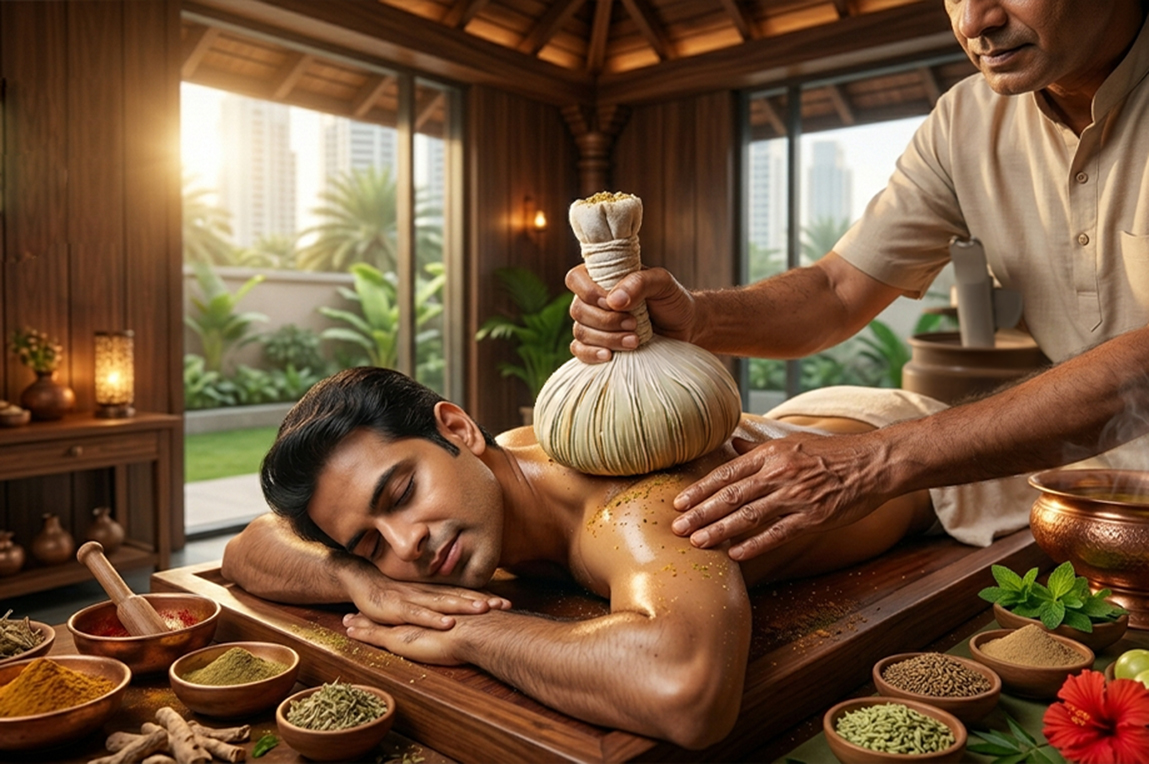
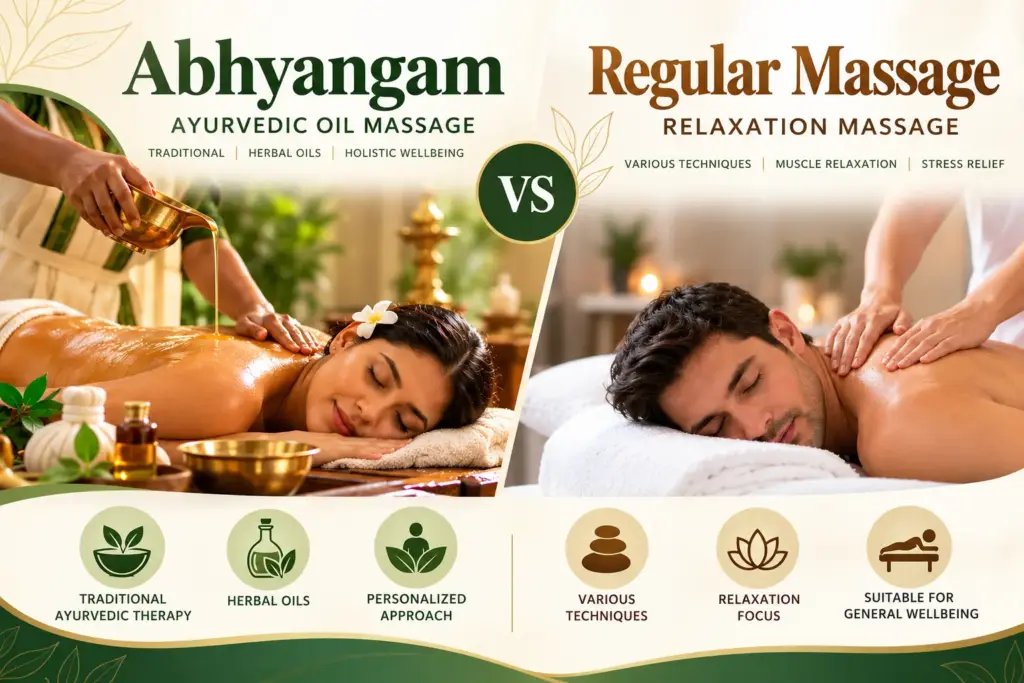
After a long day at work, do your shoulders feel tense, your muscles tired, or your body unusually stiff? Many people consider massage to relax and feel more comfortable. But when searching for massage options, you may come across a traditional Ayurvedic therapy called Abhyangam. Abhyangam vs regular massage is a common comparison for people who want to understand whether traditional Ayurvedic oil massage is different from a conventional spa or relaxation massage. Both approaches involve touch and bodywork, but they differ in their origins, techniques, oil selection and treatment philosophy. Abhyangam is rooted in Ayurveda and traditionally involves warm oils applied through systematic massage movements. Regular massage can include several techniques, such as Swedish massage, deep-tissue massage and sports massage. Understanding these differences can help you choose an approach that suits your preferences, health needs and wellness goals. What Is Abhyangam in Ayurveda? Abhyangam, also called Abhyanga, is a traditional Ayurvedic oil massage practiced as part of Ayurveda’s approach to wellbeing. It involves applying selected oils to the body using rhythmic massage movements. Depending on the traditional practice and individual requirements, the oils may be warmed before application. In Ayurveda, Abhyangam is associated with Dinacharya, a set of daily routines intended to support overall wellbeing. Traditional Ayurvedic practitioners may consider a person’s Prakriti, or body constitution, when selecting oils and recommending massage techniques. Ayurveda describes three Doshas: Vata: Traditionally associated with movement, dryness and lightness. Pitta: Associated with heat and transformation. Kapha: Associated with stability and structure. These are concepts from traditional Ayurveda rather than modern medical diagnoses. People interested in the clinical procedure can read more about Abhyanga Treatment in Dubai at Dhanwanthari Ayurvedic Medical Centre. Abhyangam vs Regular Massage: Key Differences Although both involve massage, their traditional approaches and techniques are different. Feature Abhyangam Regular Massage Origin Traditional Indian Ayurveda Various massage traditions Oil application Selected oils are a central component Oils or lotions may be used Technique Rhythmic movements based on Ayurvedic practice Depends on the massage style Personalization May consider Ayurvedic constitution and individual needs Based on preferences, symptoms and therapist assessment Main purpose Traditional wellbeing and relaxation Relaxation, muscle comfort or specific soft-tissue goals Treatment approach May be part of a broader Ayurvedic care plan Usually provided as a standalone or complementary service One important distinction is that Abhyangam is not simply a deep-tissue massage performed with herbal oil. Its traditional approach emphasizes oil application, systematic movements and individualized Ayurvedic assessment. However, neither type of massage should automatically be considered more effective than the other. How Is Abhyangam Performed? A professional Abhyangam session generally follows a structured process. The exact method may vary depending on the clinic and the person’s requirements. 1. Initial Consultation Before the therapy, the practitioner may review the person’s medical history, physical concerns, allergies and wellness goals. This assessment helps determine whether the therapy is appropriate. 2. Selection of Ayurvedic Oil The practitioner selects an oil based on the intended traditional purpose of the massage and individual suitability. Sesame-based oils and herbal oil preparations are commonly associated with Ayurvedic massage. 3. Warm Oil Application The selected oil may be gently warmed before being applied to the body. The temperature should remain comfortable and safe, particularly for people with sensitive skin. 4. Rhythmic Massage The therapist applies the oil through systematic movements. Pressure, duration and the areas treated may vary according to the person’s needs. 5. Post-Massage Care After the session, the practitioner may provide guidance regarding bathing, rest and appropriate daily activities. The objective is to provide a comfortable, individualized experience rather than follow the same routine for everyone. Traditional Benefits of Abhyangam Abhyangam has traditionally been used as part of Ayurvedic wellness practices. Its intended benefits include: Encouraging physical relaxation Supporting a sense of calm and comfort Helping reduce the feeling of everyday muscle tightness Softening and moisturizing the skin Supporting a regular self-care routine Promoting general wellbeing These are traditional uses and potential comfort-related benefits, not guaranteed medical outcomes. Massage therapy has been studied for certain types of pain and muscular discomfort. However, the strength of the evidence varies, and research on massage generally cannot establish that Abhyangam treats a specific medical condition. According to the National Center for Complementary and Integrative Health (NCCIH), massage may provide short-term relief for some conditions, but evidence is limited for several applications. Why Are Oils Important in Abhyangam? Oil application is one of the defining features of traditional Abhyangam. Unlike some conventional massage techniques that use only a small quantity of oil or lotion, Abhyangam generally involves more extensive oil application. Traditional Herbal Oils Ayurvedic practitioners may select oils prepared with different herbs according to traditional formulations. The specific ingredients and preparation methods can vary. Personalized Selection Oil selection may take into account skin sensitivity, allergies, personal comfort and the intended purpose of the session. Skin Comfort Massage oils can help lubricate the skin and reduce friction during massage movements. However, herbal oils are not automatically suitable for everyone. People with allergies or sensitive skin should discuss the ingredients with their practitioner before treatment. Is Abhyangam Better Than a Regular Spa Massage? There is no universal answer. If your main goal is relaxation, a suitable conventional massage may meet your needs. If you are interested in traditional Ayurvedic practices, personalized herbal oil selection and an Ayurveda-based approach, Abhyangam may be worth considering. The choice should depend on: Your primary reason for seeking massage Your health history Your preference for oils and massage pressure Any existing medical concerns The qualifications and training of the practitioner The most important factor is whether the therapy is appropriate and safely performed. Who May Consider Abhyangam? Abhyangam may appeal to adults interested in traditional oil-based massage for relaxation and general wellbeing. It may be considered by people who: Experience occasional muscle tightness after routine activities Spend long hours sitting at work Prefer traditional oil massage Want to include relaxation in their wellness routine Are interested in Kerala Ayurvedic practices However, persistent pain, numbness, weakness or