
Respiratory Illness
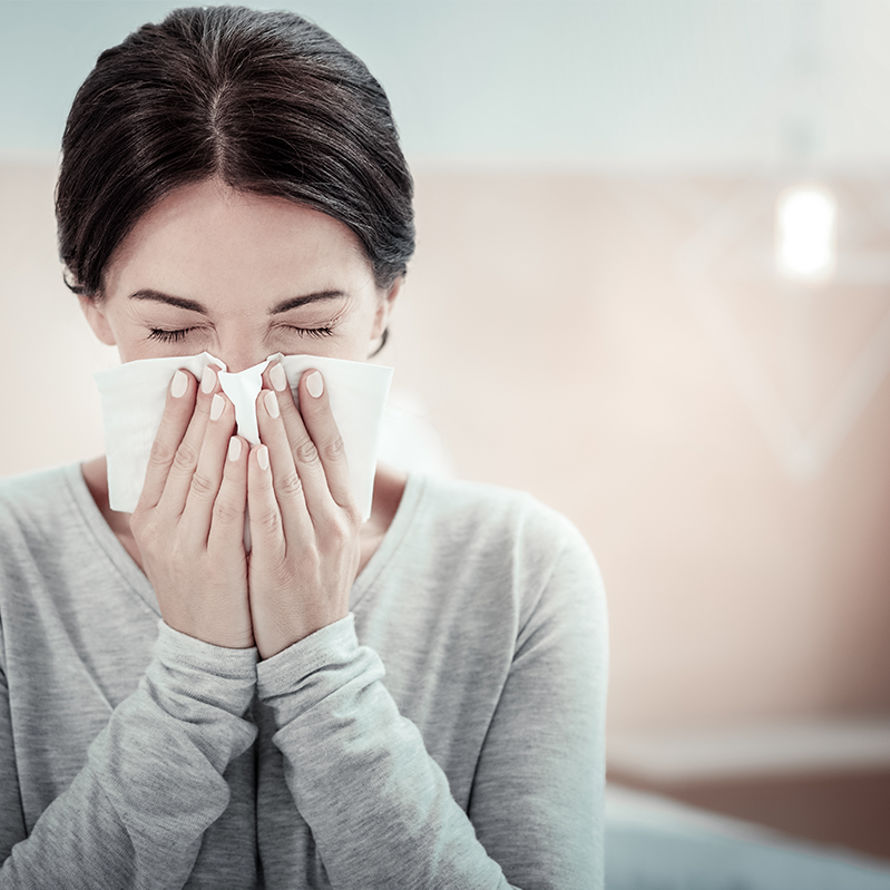
Ayurvedic Treatment for Respiratory Illness in Dubai
Understanding Respiratory Illness Through Ayurveda
Respiratory illnesses affect the airways and lungs, causing symptoms such as breathing difficulties, cough, chest congestion, wheezing, and nasal blockage. Medically, difficulty in breathing is known as Dyspnoea, and it can occur due to various reasons ranging from allergies and respiratory infections to digestive disturbances, anemia, and reduced lung capacity.
According to Ayurveda, respiratory disorders are primarily linked to an imbalance of Vata Dosha. Normally, Vata moves downward in the body. However, when its movement becomes disturbed, it travels upward and accumulates in the chest region, leading to breathing difficulties, congestion, and discomfort. Kapha Dosha may also become involved, resulting in excessive mucus production and airway obstruction.
At Dhanwanthari Ayurveda, a trusted Ayurvedic clinic in Dubai, respiratory conditions are treated by identifying the root cause and restoring the balance of the doshas through personalized Ayurvedic therapies.
Common Symptoms of Respiratory Illness
Respiratory disorders may present with:
Difficulty in breathing (Dyspnoea)
Wheezing
Chest congestion
Persistent cough
Sleep apnea
Palpitations
Sneezing
Runny nose
Watery eyes
Choking sensation
Kasa (Cough) in Ayurveda
In Ayurveda, cough is known as Kasa, a respiratory disorder caused by the imbalance of Vata and Kapha Doshas. Kasa may result from respiratory infections, throat irritation, allergies, sinus conditions, or even digestive disturbances such as acidity and indigestion.
When digestion becomes impaired, Vata gets aggravated and moves upward, affecting the respiratory channels and causing coughing, chest discomfort, and congestion.
Types of Kasa According to Ayurveda
Vataja Kasa
Dry cough
Hoarseness of voice
Chest pain
Intermittent coughing episodes
Pittaja Kasa
Associated with infections and inflammation
Yellow sputum
Fever
Intense and persistent cough
Kaphaja Kasa
Productive cough with thick white mucus
Runny nose
Nausea and congestion
Frequent coughing
Kshataja Kasa
Associated with tissue injury or severe infection
Reddish, yellow, or dark sputum
Fever and body pain
Kshayaja Kasa
Chronic respiratory conditions such as tuberculosis
Involvement of all three doshas
Progressive weakness and tissue depletion
Ayurvedic Treatment for Respiratory Illness
At Dhanwanthari Ayurveda, Ayurvedic respiratory care is tailored according to the type of respiratory disorder and the individual’s body constitution.
Ayurvedic Management of Kasa
Treatment focuses on:
Balancing aggravated Vata Dosha
Reducing excess Kapha accumulation
Clearing respiratory channels
Supporting healthy lung function
Strengthening immunity
Common Ayurvedic approaches include:
Herbal expectorants such as Vasaka (Adhatoda vasica)
Lekhana therapies to reduce excess Kapha
Medicated oils and steam therapies
Ayurvedic lehyams, decoctions, and herbal powders
Internal medicines prescribed according to the type of Kasa
Line of Management in Ayurveda
The treatment plan depends on the underlying cause of respiratory illness.
For Breathing Difficulties
Vata-balancing herbal formulations
Medicated lehyams for respiratory support
Herbal preparations to improve respiratory strength
Therapies that support oxygenation and circulation
For Allergic Respiratory Disorders
Vamana (Therapeutic Emesis)
Virechana (Therapeutic Purgation)
Long-term Ayurvedic medicines to reduce allergy recurrence
Immune-supportive therapies
For Anemia-Related Breathlessness
Ayurvedic medicines may be prescribed to improve blood quality, hemoglobin levels, and oxygen-carrying capacity.
Peenasa (Rhinitis and Sinusitis)
Peenasa refers to conditions such as allergic rhinitis, chronic runny nose, sinusitis, and nasal congestion. It may occur due to allergies, recurrent infections, nasal polyps, deviated nasal septum, or chronic sinus inflammation.
According to Ayurveda, sinusitis develops when aggravated Vata causes Kapha accumulation within the sinus cavities. If untreated, the accumulated Kapha may become infected and involve Pitta Dosha, leading to inflammation and discomfort.
Symptoms of Peenasa
Runny nose
Nasal congestion
Sinus pressure
Headache
Sneezing
Postnasal drip
Reduced sense of smell
Ayurvedic Treatment for Peenasa
At our Ayurvedic clinic in Dubai, treatment is customized according to the stage and severity of the condition.
Common Ayurvedic Therapies
Nasya Therapy (Marsha and Pratimarsha Nasya)
Herbal Lepam (external application)
Sudation therapy (Swedana)
Thalam therapy
Internal Ayurvedic medicines
These therapies help clear nasal passages, reduce Kapha accumulation, improve sinus drainage, and promote respiratory wellness.
Why Choose Dhanwanthari Ayurveda?
As a leading Ayurvedic clinic in Dubai, Dhanwanthari Ayurveda offers holistic and personalized care for respiratory illnesses. Our treatments combine authentic Ayurvedic therapies, herbal medicines, Panchakarma procedures, dietary guidance, and lifestyle recommendations to support healthy breathing and long-term respiratory wellness.
Breathe Naturally with Ayurveda
Experience effective Ayurvedic treatment for respiratory illness in Dubai and discover a natural approach to respiratory health through the healing principles of Ayurveda.
You May Also Like
Contact Us
We are pleased to inform you that there is free parking now available when you visit Dr. Sathya. The name of the parking area is Samara parking. It’s just opposite to West zone supermarket. Behind the al ain center building. Just inform the parking person that you are going to the Dhanwanthari clinic. Make ensure your appointment before coming