
Dhanwanthari Ayurveda

Healthy Lifestyle

Ayurvedic skin care in Dubai explaining how climate, lifestyle, and body constitution affect healthy skin naturally
Healthy Lifestyle

Why Your Skin Health Depends on Climate, Lifestyle & Body Type: Ayurveda Explains

Healthy Skin Begins from Within Healthy, glowing skin is more than just good skincare—it reflects your body’s internal balance. While many people seek quick solutions for acne, eczema, psoriasis, pigmentation, or fungal infections, these conditions often return because the root cause remains unaddressed. According to Ayurveda, skin health depends on four important principles: Bhoomi (environment), Deha (body constitution), Eha (lifestyle), and Desha (place or climate). These factors influence digestion, immunity, and overall skin wellness. Understanding them can help you take a holistic approach to healthier skin. If you’d like to learn more about the Ayurvedic approach to skin wellness, explore our  Complete Ayurvedic Guide to Skin Health: Treat Skin Problems Naturally from the Root Cause, where we explain how Ayurveda focuses on long-term healing rather than temporary symptom relief. Healthy, glowing skin is more than just good skincare—it reflects your body’s internal balance… “Healthy skin isn’t created by chance—it is cultivated through balanced digestion, mindful living, and harmony with nature. Ayurveda treats the root, allowing your natural radiance to shine.” Watch: How Ayurveda Explains Healthy Skin Your skin constantly responds to changes in weather, stress, diet, and lifestyle. In this short video, our Ayurvedic doctor explains how Bhoomi, Deha, Eha, and Desha influence skin health and why understanding these principles can help you naturally manage conditions such as eczema, psoriasis, acne, pigmentation, and recurring fungal infections. View this reel on Instagram   A post shared by Instagram After watching the video, continue reading to discover how these Ayurvedic concepts can help you achieve healthier skin naturally. Bhoomi (Environment): Your Surroundings Shape Your Skin In Ayurveda, Bhoomi refers to the environment in which you live. Air quality, pollution, temperature, dust, humidity, and seasonal changes all influence your skin. Living in Dubai means your skin faces unique challenges, including intense sunlight, dry air, dehydration, and continuous exposure to air-conditioned environments. These factors may contribute to dryness, pigmentation, premature ageing, and increased skin sensitivity. Ayurveda recommends adapting your skincare routine, hydration, and diet according to seasonal and environmental changes. During the hotter months, you may also benefit from our Ayurvedic Summer Detox Treatments in Dubai, which support the body’s natural cooling and detoxification processes. Deha (Body Constitution): Every Skin Type Is Unique Deha, or Prakriti, refers to your natural body constitution. Ayurveda recognises that every individual has a unique combination of the three doshas—Vata, Pitta, and Kapha—which directly influence skin health. Dosha Skin Characteristics Common Concerns Vata Dry, thin, rough Dryness, itching, premature ageing Pitta Sensitive, warm Acne, redness, pigmentation Kapha Oily, smooth Excess oil, clogged pores, fungal infections Rather than following generic skincare advice, Ayurveda recommends personalized treatments based on your body constitution to restore long-term balance. Eha (Lifestyle): Your Daily Habits Matter The choices you make every day significantly influence your skin. Irregular meal timings, poor sleep, chronic stress, processed foods, dehydration, and lack of physical activity can weaken digestion and disturb the body’s natural balance. Healthy digestion plays an essential role in nourishing the skin. When digestion becomes weak, toxins (Ama) may accumulate and contribute to inflammation and recurring skin concerns. To understand this connection in greater detail, read our Complete Ayurvedic Guide to Digestive Health and Gut Healing, which explains why a healthy gut supports healthy skin. Supporting digestion with natural herbs can also make a difference. Discover the Best Ayurvedic Herbs for Better Digestion and Gut Health that help strengthen digestive fire (Agni) and promote overall wellness. Desha (Climate): Why Dubai’s Weather Affects Your Skin Desha refers to the geographical location and climate where you live. The UAE’s hot temperatures, low humidity, and frequent sun exposure can place additional stress on the skin. People living in Dubai commonly experience dehydration, increased pigmentation, acne flare-ups, and excessive sweating. These conditions can also make some individuals more prone to recurring fungal infections. If fungal infections continue to return despite treatment, you may find our article Why Do Fungal Infections Keep Coming Back? Ayurveda Explains the Root Cause helpful. It explains how poor digestion, weakened immunity, and toxin accumulation can contribute to recurrent skin infections from an Ayurvedic perspective. Common Skin Problems Ayurveda Helps Manage Many skin concerns are not just surface-level conditions. Ayurveda considers them signs of internal imbalance that require personalized care. Skin Concern Possible Ayurvedic Cause Ayurvedic Approach Acne Pitta imbalance Cooling diet, herbal support, detoxification Eczema Vata & Pitta imbalance Skin nourishment, stress management, lifestyle correction Psoriasis Ama (toxins) + immune imbalance Panchakarma, dietary changes, herbal therapies Pigmentation Excess Pitta Cooling herbs, sun protection, healthy digestion Fungal Infections Kapha imbalance + Ama Gut health improvement, detoxification, immunity support Instead of treating only the visible symptoms, Ayurveda works to improve digestion, strengthen immunity, and restore dosha balance, helping the body maintain healthier skin naturally. Natural Ayurvedic Tips for Healthier Skin Healthy skin starts with healthy daily habits. Consider these simple Ayurvedic practices: Healthy Habit Skin Benefit Drink enough water throughout the day Helps maintain skin hydration Eat fresh seasonal fruits and vegetables Provides essential nutrients Avoid excess fried and processed foods Supports digestive health Get 7–8 hours of quality sleep Promotes skin repair Practice yoga or meditation Helps manage stress-related skin flare-ups Follow a personalized Ayurvedic routine Supports long-term skin wellness If stress is contributing to your skin concerns, therapies such as Shirodhara Treatment in Dubai may help promote relaxation and overall well-being, supporting the body’s natural healing processes. When Should You Consult an Ayurvedic Doctor? You should consider consulting an Ayurvedic doctor if you experience: Recurring acne or pimples Persistent eczema or psoriasis Frequent fungal infections Dark pigmentation or uneven skin tone Chronic itching or skin irritation Dry, sensitive, or inflamed skin Skin problems that continue to return despite treatment At Dhanwanthari Ayurveda, every treatment plan is personalized based on your body constitution (Prakriti), digestive health, lifestyle, and overall wellness goals. Why Choose Dhanwanthari Ayurveda? At Dhanwanthari Ayurveda, our experienced Ayurvedic doctors focus on identifying the root cause of skin concerns instead of only managing symptoms. Our personalized approach includes: Comprehensive Ayurvedic consultation Body constitution (Prakriti) assessment Personalized herbal


Why do fungal infections keep coming back? Ayurvedic treatment for recurrent fungal infections in Dubai
Healthy Lifestyle

Why Do Fungal Infections Keep Coming Back? Ayurveda Explains the Root Cause

Fungal infections can affect anyone, but when they keep returning despite repeated treatment, they may indicate an underlying health imbalance rather than just a skin issue. Although antifungal creams and medications may temporarily relieve symptoms, they often do not address the internal factors contributing to recurrence. According to Ayurveda, recurring fungal infections may result from poor digestion, toxin accumulation (Ama), weakened immunity, and dosha imbalance. Instead of focusing only on the affected skin, Ayurvedic treatment aims to restore balance from within by improving digestion, supporting detoxification, and strengthening the body’s natural defenses. At Dhanwanthari Ayurveda, a trusted Ayurvedic clinic in Dubai, experienced Ayurvedic doctors create personalized treatment plans to help reduce the recurrence of fungal infections naturally. Quick Guide: Causes and Ayurvedic Solutions Possible Cause Ayurvedic Explanation Recommended Approach Weak digestion Low Agni Improve digestive fire Toxin buildup Ama accumulation Panchakarma and detoxification Low immunity Ojas depletion Herbal support and healthy lifestyle Excess moisture Kapha imbalance Diet correction and detox Stress Dosha imbalance Yoga, meditation, and Shirodhara if appropriate What Are Recurrent Fungal Infections? Fungal infections occur when fungi grow excessively on the skin, nails, or other body areas. While many infections respond to treatment, some return repeatedly because the underlying conditions remain unchanged. Common areas affected include: Feet Groin Skin folds Nails Scalp If infections continue to recur, it is important to evaluate factors beyond the skin itself. Why Do Fungal Infections Keep Returning? Several factors can increase the likelihood of recurrent fungal infections, including: Weakened immunity Poor digestive health Excessive sweating High sugar intake Tight or damp clothing Inadequate hygiene Uncontrolled diabetes Repeated antibiotic use Ayurveda emphasizes correcting these contributing factors instead of only treating visible symptoms. Ayurveda’s Perspective on Fungal Infections According to Ayurveda, recurring fungal infections often indicate internal imbalance. Weak Digestive Fire (Agni) When digestion is weak, food is not processed efficiently, which may contribute to toxin formation. Ama (Toxins) Accumulated toxins may weaken the body’s natural defense mechanisms and affect skin health. Kapha Imbalance Excess Kapha creates a moist environment that may encourage fungal growth. Reduced Immunity (Ojas) Strong immunity helps the body resist recurring infections. 👉 Related Article: Complete Ayurvedic Guide to Skin Health: Treat Skin Problems Naturally from the Root Cause 👉 Related Article: Complete Ayurvedic Guide to Digestive Health and Gut Healing Common Symptoms Itching Redness Circular skin rashes Burning sensation Peeling skin Cracked skin Nail discoloration Frequent recurrence after treatment Watch: Why Do Fungal Infections Keep Coming Back? An Ayurvedic Doctor Explains Many people treat fungal infections with creams, but they often return because the underlying causes remain unaddressed. In this video, our Ayurvedic doctor explains how poor digestion, toxin accumulation (Ama), weakened immunity, and dosha imbalance contribute to recurring fungal infections—and how Ayurveda focuses on restoring balance from within. View this reel on Instagram   A post shared by … Ayurvedic Treatment for Recurrent Fungal Infections Treatment varies according to the individual’s body constitution and overall health. Common recommendations may include: Panchakarma Supports detoxification and helps reduce toxin accumulation. Herbal Medicines Customized herbal formulations may support skin health and immunity. Diet Modification Reducing excess sugar and processed foods while supporting healthy digestion. Lifestyle Changes Maintaining proper hygiene, stress management, and healthy daily routines. Foods to Eat and Foods to Avoid Recommended Foods Foods to Limit Fresh vegetables Refined sugar Seasonal fruits Fried foods Whole grains Processed snacks Herbal teas Sugary beverages Warm cooked meals Excess dairy (if advised) Daily Tips to Help Prevent Recurrence Keep the skin clean and dry. Wear breathable cotton clothing. Avoid sharing towels or personal items. Maintain a balanced diet. Stay physically active. Manage stress through yoga or meditation. Consult an Ayurvedic doctor if infections recur frequently. Why Choose Dhanwanthari Ayurveda? At Dhanwanthari Ayurveda, our experienced Ayurvedic doctors identify the root causes of recurring fungal infections instead of focusing only on symptom relief. Our personalized approach includes: Detailed Ayurvedic consultation Body constitution (Prakriti) assessment Panchakarma therapies when appropriate Herbal medicine recommendations Diet and lifestyle counseling Ongoing wellness support As a leading Ayurvedic clinic in Dubai, we are committed to helping patients achieve healthier skin through holistic, individualized care. FAQs Why do fungal infections keep coming back? Recurring fungal infections may be associated with poor digestion, weakened immunity, excess moisture, or underlying health conditions. Ayurveda focuses on addressing these contributing factors. Can Ayurveda help reduce recurrent fungal infections? Ayurveda aims to support healthy skin by improving digestion, reducing toxin accumulation, strengthening immunity, and promoting overall balance. Which Ayurvedic therapies are used for fungal infections? Depending on individual needs, Ayurvedic doctors may recommend Panchakarma, herbal medicines, dietary changes, and lifestyle modifications. Can gut health affect fungal infections? According to Ayurveda, healthy digestion supports immunity and toxin elimination, both of which play an important role in maintaining healthy skin. Trusted Resource for Fungal Infection Information To better understand fungal infections, their symptoms, and prevention strategies, you can explore the CDC’s fungal diseases information. This trusted resource offers reliable guidance on common fungal infections and when to seek medical care. Ayurveda complements overall skin wellness by addressing internal imbalances alongside appropriate medical advice when neede Book Ayurvedic Treatment for Recurrent Fungal Infections in Dubai Recurring fungal infections can affect your comfort and confidence. At Dhanwanthari Ayurveda, our experienced Ayurvedic doctors provide personalized treatment plans designed to support healthy skin by addressing the root causes through Ayurvedic therapies, herbal care, and lifestyle guidance. 📞 Call / WhatsApp: +971 50 779 6303 🌿 Visit Dhanwanthari Ayurveda – The Best Ayurvedic Clinic in Dubai Take the first step toward healthier skin with personalized Ayurvedic care.

Complete Ayurvedic guide to skin health with natural Ayurvedic treatment for skin problems in Dubai
Healthy Lifestyle

Complete Ayurvedic Guide to Skin Health: Treat Skin Problems Naturally from the Root Cause

Healthy Skin Begins with Inner Balance Your skin is one of the first indicators of your overall health. While creams and topical medications may temporarily reduce symptoms, recurring skin concerns such as fungal infections, eczema, acne, psoriasis, itching, and skin allergies often indicate an imbalance within the body. According to Ayurveda, healthy skin depends on balanced doshas, strong digestion (Agni), proper elimination of toxins (Ama), and a healthy immune system. Instead of treating only the visible symptoms, Ayurvedic treatment focuses on identifying and correcting the underlying cause of skin disorders through personalized therapies, herbal medicines, dietary changes, and detoxification. At Dhanwanthari Ayurveda, a trusted Ayurvedic clinic in Dubai, our experienced Ayurvedic doctors provide holistic treatment plans that promote long-term skin health by restoring internal balance naturally. Quick Overview: Common Skin Problems and Ayurvedic Solutions Skin Condition Possible Ayurvedic Cause Recommended Ayurvedic Approach Recurrent Fungal Infections Weak digestion, Ama, low immunity Panchakarma, herbal medicines, dietary correction Eczema Pitta and Vata imbalance Detoxification, herbal therapies, lifestyle changes Psoriasis Toxin accumulation and immune imbalance Panchakarma, personalized Ayurvedic treatment Acne Excess Pitta, poor digestion Diet modification, herbal support, detoxification Skin Allergies Poor gut health and weakened immunity Gut healing, immunity enhancement Dry Skin Vata imbalance Abhyangam, nourishing herbs, hydration Why Skin Health Matters in Ayurveda Ayurveda views the skin as a reflection of internal health rather than an isolated organ. When digestion becomes weak and toxins accumulate in the body, these imbalances often appear as chronic skin problems. Three important Ayurvedic principles influence skin health: Agni (Digestive Fire) Healthy digestion ensures that nutrients are absorbed efficiently and toxins are eliminated properly. Weak digestion allows toxins to build up, increasing the risk of skin disorders. Ama (Toxins) Ama refers to undigested waste products that accumulate due to poor digestion. Ayurveda considers Ama one of the primary contributors to recurring skin conditions. Dosha Balance The balance of Vata, Pitta, and Kapha doshas plays a significant role in maintaining healthy skin. Pitta imbalance may contribute to acne, inflammation, and skin redness. Vata imbalance often causes dry, rough, and itchy skin. Kapha imbalance may lead to oily skin, congestion, and fungal infections. By restoring balance to these systems, Ayurvedic treatment helps improve skin health naturally. The Gut-Skin Connection According to Ayurveda Modern research continues to explore the relationship between digestive health and skin wellness. Ayurveda has recognised this connection for thousands of years. Poor digestion can reduce nutrient absorption, weaken immunity, and increase toxin accumulation. These internal imbalances may contribute to recurring skin conditions, including fungal infections, eczema, acne, and skin allergies. Improving digestive health often leads to healthier skin because the body becomes more efficient at eliminating toxins and maintaining internal balance. 👉 Related Article: Complete Ayurvedic Guide to Digestive Health and Gut Healing For additional information about digestive wellness, refer to the digestive health resources available from Mayo Clinic. Common Causes of Skin Problems Several lifestyle and dietary habits can affect skin health. Common contributing factors include: Poor digestion Frequent consumption of processed foods Excess sugar intake Inadequate hydration Chronic stress Hormonal changes Sleep deprivation Environmental pollution Weakened immunity Lack of physical activity Although these factors vary from person to person, Ayurveda addresses them through personalized treatment plans rather than a one-size-fits-all approach. Skin Conditions Ayurveda Can Help Manage Ayurveda offers supportive care for a variety of chronic and recurring skin concerns. Recurrent Fungal Infections Recurring fungal infections often indicate weakened immunity and digestive imbalance. Ayurvedic treatment focuses on improving gut health, strengthening immunity, and reducing toxin accumulation. Eczema Ayurveda aims to reduce inflammation, improve skin hydration, and restore dosha balance through personalized therapies. Psoriasis Detoxification therapies, dietary guidance, and herbal medicines help support long-term skin wellness. Acne By improving digestion, balancing Pitta dosha, and supporting detoxification, Ayurveda helps promote clearer skin naturally. Skin Allergies Ayurvedic treatment helps identify possible internal triggers while strengthening the body’s natural defense mechanisms. Dry Skin Nourishing therapies such as Abhyangam and customized herbal care help improve skin hydration and overall skin health. Ayurvedic Treatments for Healthy Skin Unlike treatments that focus only on symptoms, Ayurveda addresses the root cause of skin problems. Common therapies include: Ayurvedic Therapy Benefits for Skin Health Panchakarma Supports detoxification and removes accumulated toxins Virechana Helps balance excess Pitta and promotes healthy skin Abhyangam Nourishes the skin and improves circulation Herbal Medicines Support immunity and skin healing Personalized Diet Therapy Improves digestion and reduces toxin formation Each treatment plan is customized according to an individual’s body constitution, health condition, and treatment goals. Best Ayurvedic Herbs for Healthy Skin Ayurveda uses time-tested herbs to purify the blood, strengthen immunity, support detoxification, and improve skin health naturally. When combined with a healthy diet and personalized Ayurvedic treatment, these herbs help address the root causes of many chronic skin conditions. Powerful Ayurvedic Herbs for Healthy Skin Ayurvedic Herb Benefits for Skin Health Neem Helps purify the blood and supports healthy skin by reducing microbial growth. Manjistha Supports blood purification and promotes a clearer, healthier complexion. Turmeric (Haridra) Helps reduce inflammation and supports natural skin healing. Guduchi (Giloy) Strengthens immunity and supports the body’s natural healing process. Triphala Improves digestion, supports detoxification, and helps eliminate toxins that may affect the skin. Aloe Vera Hydrates the skin and promotes healthy skin regeneration. 👉 Related Article: Best Ayurvedic Herbs for Better Digestion and Gut Health Ayurvedic Diet for Healthy Skin Healthy skin begins with healthy digestion. Ayurveda recommends eating fresh, seasonal foods that support digestion and reduce toxin accumulation. Foods to Include and Foods to Limit Eat More Limit or Avoid Fresh seasonal fruits Refined sugar Green leafy vegetables Processed foods Warm cooked meals Deep-fried foods Whole grains Carbonated drinks Herbal teas Excess spicy foods Buttermilk Excess dairy (if it aggravates symptoms) Adequate water Alcohol and smoking A balanced Ayurvedic diet helps maintain healthy digestion, improves nutrient absorption, and supports long-term skin wellness. Daily Ayurvedic Lifestyle Tips for Healthy Skin Small lifestyle changes can significantly improve skin health. Follow these Ayurvedic recommendations: Drink warm water after waking up. Eat meals at

International Yoga Day and Ayurveda for complete wellness
Healthy Lifestyle

International Yoga Day 2026: How Yoga and Ayurveda Work Together for Complete Wellness

Introduction Every year, International Yoga Day reminds us of the importance of maintaining balance in our physical, mental, and emotional health. While yoga is widely recognized for improving flexibility, strength, and mindfulness, Ayurveda complements yoga by helping the body achieve internal balance through personalized diet, lifestyle, detoxification, and natural therapies. Together, Yoga and Ayurveda form a powerful wellness system that promotes holistic healing and long-term health. At Dhanwanthari Ayurveda, a trusted Ayurvedic clinic in Dubai, we believe that combining Yoga and Ayurveda can help individuals achieve better health, stress management, improved digestion, enhanced immunity, and overall well-being. Wellness Goal Yoga Benefit Ayurveda Benefit Stress Relief Calms the mind Balances doshas Digestion Supports gut function Strengthens Agni Sleep Improves relaxation Promotes restorative rest Detox Encourages circulation Removes Ama (toxins) Immunity Supports overall wellness Enhances natural defenses Yoga and Ayurveda for Complete Wellness: Quick Benefits Overview Wellness Area How Yoga Helps How Ayurveda Helps Stress Management Calms the nervous system through breathing exercises and meditation Uses therapies like Shirodhara, herbal support, and lifestyle guidance Digestive Health Improves digestion through specific yoga poses Strengthens digestive fire (Agni) and supports gut healing Detoxification Supports circulation and natural cleansing processes Removes toxins (Ama) through Panchakarma and detox therapies Weight Management Encourages physical activity and calorie burning Improves metabolism and promotes healthy eating habits Sleep Quality Relaxes the mind and reduces stress Balances doshas and supports restful sleep Immunity Reduces stress and supports overall wellness Enhances immunity through personalized Ayurvedic care Mental Wellness Improves focus, mindfulness, and emotional balance Supports mental calmness through holistic therapies Energy Levels Increases flexibility and vitality Balances body systems and improves energy naturally What Is International Yoga Day? International Yoga Day is celebrated annually on June 21st to promote awareness about the benefits of yoga for health and wellness. Yoga is much more than physical exercise. It is a holistic practice that integrates: Physical health Mental clarity Emotional balance Spiritual well-being Similarly, Ayurveda focuses on achieving harmony between the body, mind, and environment. Together, they create a comprehensive approach to wellness. Understanding the Connection Between Yoga and Ayurveda Yoga and Ayurveda originated from the same ancient Indian wisdom tradition. While: Yoga focuses on: Physical postures (Asanas) Breathing techniques (Pranayama) Meditation Mind-body awareness Ayurveda focuses on: Diet and nutrition Herbal therapies Detoxification Lifestyle management Dosha balance Both systems share a common goal: To create balance, prevent disease, and promote optimal health. How Yoga and Ayurveda Work Together Yoga strengthens the body and calms the mind, while Ayurveda supports internal health through personalised care. Yoga Improves: Flexibility Strength Posture Stress management Mental focus Ayurveda Supports: Digestion Metabolism Detoxification Immunity Energy balance When combined, they create a comprehensive wellness approach that addresses both external and internal health. Benefits of Combining Yoga and Ayurveda Benefit Outcome Better Digestion Improved gut health and nutrient absorption Stress Reduction Greater emotional balance and mental clarity Natural Detoxification Supports removal of toxins from the body Weight Management Encourages healthy metabolism and lifestyle habits Better Sleep Promotes deeper and more restful sleep Improved Immunity Strengthens overall health and resilience Holistic Wellness Supports physical, mental, and emotional well-being 1. Better Stress Management Stress affects digestion, sleep, immunity, and overall health. Yoga helps calm the nervous system, while Ayurveda uses therapies such as Shirodhara and herbal support to promote relaxation. Regular yoga practice and mindfulness techniques play an important role in managing stress through mindfulness practices and supporting emotional well-being. 2. Improved Digestive Health According to Ayurveda, healthy digestion is the foundation of wellness. Yoga poses such as: Vajrasana Pawanmuktasana Bhujangasana support digestive function naturally. Maintaining healthy digestion is essential for overall wellness. Understanding the importance of digestive health can help individuals make better lifestyle choices. 👉 Related Blog: Complete Ayurvedic Guide to Digestive Health and Gut Healing 3. Enhanced Detoxification Ayurveda supports detoxification through Panchakarma therapies, while yoga helps improve circulation and lymphatic flow. Together, they support the body’s natural cleansing processes. 👉 Related Blog: Ayurvedic Summer Detox Treatments in Dubai 4. Better Weight Management Combining yoga with Ayurvedic dietary guidance can help support healthy metabolism and weight management. 👉 Related Blog: Ayurvedic Weight Loss Treatment in Dubai 5. Improved Sleep Quality Yoga and Ayurveda both help regulate the nervous system and promote restful sleep. Regular practice may help reduce stress-related sleep disturbances. 6. Stronger Immunity Balanced digestion, proper sleep, reduced stress, and regular physical activity contribute to stronger immunity and overall health. Research continues to highlight the health benefits of yoga, including improved flexibility, stress reduction, and overall wellness. Yoga Practices for Different Doshas Dosha Recommended Yoga Style Benefits Vata Gentle Yoga, Slow Stretching, Meditation Promotes grounding and relaxation Pitta Cooling Yoga, Moon Salutations, Breathing Practices Reduces internal heat and stress Kapha Dynamic Yoga, Sun Salutations, Active Flow Boosts energy and metabolism Vata Dosha Recommended Practices: Gentle yoga Slow breathing exercises Grounding meditation Benefits: Reduces anxiety Improves stability Promotes relaxation Pitta Dosha Recommended Practices: Cooling yoga sequences Moon salutations Relaxation techniques Benefits: Reduces irritability Calms excess heat Promotes emotional balance Kapha Dosha Recommended Practices: Dynamic yoga Sun salutations Active movement Benefits: Improves energy Supports metabolism Reduces sluggishness Ayurvedic Lifestyle Tips to Enhance Your Yoga Practice To maximise the benefits of yoga: Ayurveda recommends: Start your day early Drink warm water in the morning Follow a balanced diet Practice mindful eating Maintain regular sleep habits Stay hydrated Follow a dosha-appropriate lifestyle These simple habits support both yoga practice and overall wellness. Why Yoga and Ayurveda Are Essential in Modern Life Modern lifestyles often include: Stress Poor dietary habits Lack of physical activity Sleep disturbances Digital overload Yoga and Ayurveda provide natural solutions to these challenges by helping individuals restore balance and improve overall quality of life. Rather than focusing only on symptoms, both systems encourage preventive healthcare and long-term wellness. Why Choose Dhanwanthari Ayurveda?  At Dhanwanthari Ayurveda, our experienced Ayurvedic doctors provide personalized wellness programs designed to support individual health goals. Patients receive: Ayurvedic consultations, Panchakarma therapies, Personalized lifestyle guidance, Dietary recommendations, Stress management support, Holistic wellness care, As a

Best Ayurvedic herbs for digestion and gut health naturally
Healthy Lifestyle

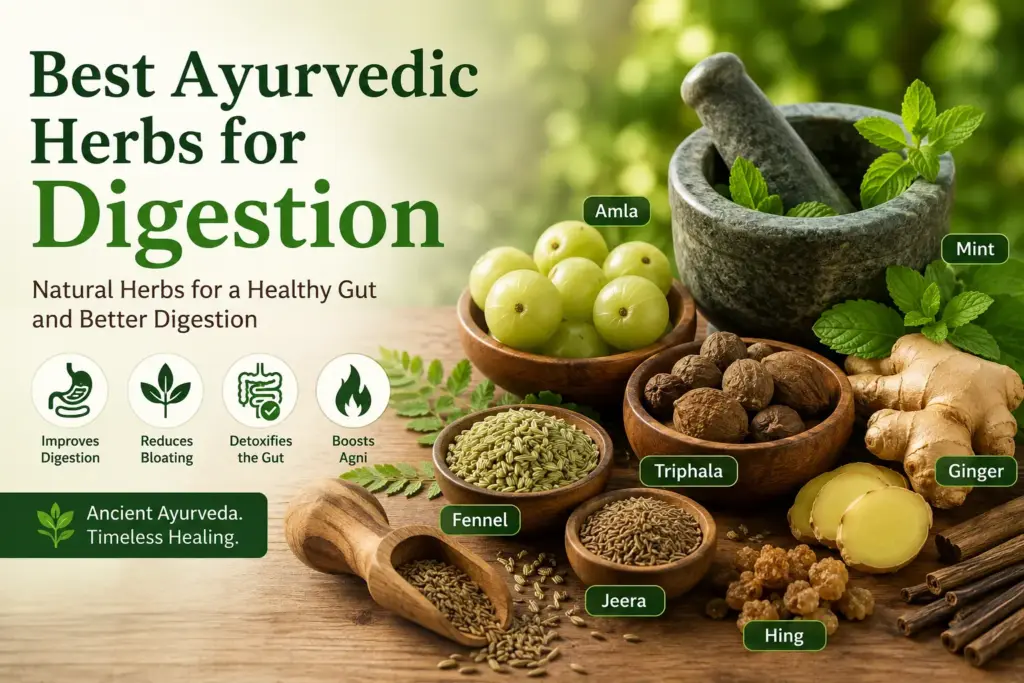
Best Ayurvedic Herbs for Better Digestion and Gut Health

 Introduction Digestive health is the foundation of wellness in Ayurveda. When digestion becomes weak, toxins (Ama) begin to accumulate in the body, leading to symptoms such as acidity, bloating, constipation, gas, fatigue, and poor nutrient absorption. One of the most effective ways to support digestive health naturally is through Ayurvedic herbs. For centuries, Ayurveda has used medicinal herbs to strengthen digestion, improve metabolism, reduce toxins, and promote long-term gut health. At Dhanwanthari Ayurveda, a trusted Ayurvedic clinic in Dubai, Ayurvedic herbs are often combined with personalized treatments and dietary guidance to help patients achieve better digestive wellness naturally. Yes, adding a table improves readability, SEO, featured snippet opportunities, and AI-search understanding. Best Ayurvedic Herbs for Digestion – Quick Reference Table Ayurvedic Herb Primary Benefit Helps With Ayurvedic Action Triphala Natural detoxification Constipation, bloating, sluggish digestion Removes Ama (toxins) and supports bowel regularity Amla (Indian Gooseberry) Digestive and immune support Acidity, weak digestion, gut inflammation Balances Pitta and supports gut healing Ginger (Shunthi) Strengthens digestive fire (Agni) Gas, indigestion, nausea Improves digestion and metabolism Jeera (Cumin) Supports digestive efficiency Bloating, gas, poor appetite Stimulates digestion and nutrient absorption Hing (Asafoetida) Reduces gas formation Flatulence, abdominal discomfort Balances Vata and improves digestion Guduchi (Giloy) Detoxification support Digestive weakness, toxin buildup Supports liver and digestive health Fennel (Saunf) Soothes the digestive tract Acidity, bloating, indigestion Calms digestion and reduces discomfort Coriander Cooling digestive herb Acidity, excess body heat Helps balance Pitta and support digestion Mint (Pudina) Refreshes digestion Nausea, digestive discomfort Supports digestive comfort naturally Ajwain (Carom Seeds) Powerful digestive stimulant Gas, bloating, heaviness after meals Enhances Agni and reduces digestive discomfort Top Ayurvedic Herbs by Digestive Problem Digestive Issue Recommended Ayurvedic Herb Acidity Amla, Fennel, Coriander Bloating Jeera, Hing, Ajwain Constipation Triphala Gas Hing, Ajwain, Ginger Weak Digestion Ginger, Jeera, Triphala Gut Detox Triphala, Guduchi Indigestion Ginger, Jeera, Ajwain Poor Appetite Ginger, Jeera  Understanding Digestion in Ayurveda Ayurveda considers digestion (Agni) as one of the most important factors influencing overall health. When Agni is strong:  Food is digested properly Nutrients are absorbed efficiently Toxins are eliminated naturally Energy levels remain stable Immunity functions effectively When Agni becomes weak, digestive issues start appearing and may eventually affect other body systems. Why Ayurvedic Herbs Are Important for Gut Health Ayurvedic herbs help: Improve digestive fire (Agni) Reduce toxin accumulation (Ama) Support gut function Improve metabolism Reduce bloating and acidity Support regular bowel movements Unlike temporary solutions, Ayurveda focuses on correcting the root cause of digestive imbalance. 1. Triphala – The Classic Ayurvedic Digestive Herb Triphala is one of the most widely used Ayurvedic formulations for digestive health. Benefits of Triphala: Supports bowel regularity Promotes natural detoxification Improves digestion Supports gut cleansing Helps reduce bloating Triphala is commonly recommended as part of Ayurvedic digestive wellness programs. 2. Amla (Indian Gooseberry) Amla is rich in antioxidants and supports digestive health naturally. Benefits of Amla: Supports digestion Helps balance Pitta Promotes gut healing Supports immunity Reduces acidity Amla is frequently used in Ayurvedic treatment plans for digestive disorders. 3. Ginger (Shunthi) Ginger is known as one of Ayurveda’s most powerful digestive herbs. Benefits of Ginger: Stimulates digestive fire Reduces gas formation Supports nutrient absorption Improves metabolism Helps reduce nausea Many Ayurvedic doctors recommend ginger to improve digestive efficiency naturally. 4. Jeera (Cumin) Cumin has been used traditionally to support digestion and reduce digestive discomfort. Benefits of Jeera: Improves digestion Reduces bloating Supports gut health Helps reduce gas Jeera water is often recommended as a simple digestive remedy. 5. Hing (Asafoetida) Hing is widely used in Ayurveda for digestive disorders. Benefits of Hing: Reduces gas Improves digestion Supports intestinal comfort Helps manage bloating Hing is especially beneficial for Vata-related digestive imbalances. 6. Guduchi (Giloy) Guduchi is considered a powerful Ayurvedic rejuvenating herb. Benefits of Guduchi: Supports digestion Helps detoxification Supports liver health Promotes immunity Guduchi is often included in Ayurvedic detox programs. 7. Fennel (Saunf) Fennel is commonly used after meals in Ayurveda. Benefits of Fennel: Freshens breath Supports digestion Reduces bloating Improves gut comfort Fennel tea is a simple and effective digestive support drink. How Ayurvedic Herbs Support Gut Healing When combined with proper diet and lifestyle changes, Ayurvedic herbs help: Strengthen digestion Improve nutrient absorption Reduce acidity Support detoxification Promote healthy bowel movements Improve gut microbiome balance Support long-term digestive wellness When You Should Consult an Ayurvedic Doctor If digestive symptoms persist despite dietary changes, professional guidance may be required. Seek Ayurvedic consultation if you experience: Chronic acidity Persistent bloating Constipation Acid reflux Frequent digestive discomfort Poor appetite Fatigue after meals At Dhanwanthari Ayurveda, our experienced Ayurvedic doctors assess your body constitution, digestive strength, and wellness goals to create a personalized treatment plan that supports long-term digestive health and overall well-being. Why Choose Dhanwanthari Ayurveda?  At Dhanwanthari Ayurveda, digestive care programs include: Personalized Ayurvedic consultations Doctor-supervised treatment plans Panchakarma detox therapies Ayurvedic dietary guidance Herbal treatment recommendations Long-term digestive wellness support As a leading Ayurvedic clinic in Dubai, Dhanwanthari Ayurveda combines traditional Ayurvedic wisdom with personalized patient care. Patients trust the expertise of the best Ayurvedic doctor in Dubai for natural digestive healing and gut health management. FAQs Which Ayurvedic herb is best for digestion? Triphala improves digestion, supports natural detoxification, and promotes healthy bowel regularity, making it one of the most valuable herbs in Ayurveda for digestive wellness. Can Ayurveda improve gut health naturally? Yes. Ayurveda supports gut health through herbal remedies, dietary correction, detox therapies, and digestive strengthening practices. What herbs reduce bloating and acidity? Ayurvedic practitioners recommend ginger, cumin, fennel, Amla, and Hing to strengthen digestion, reduce bloating, improve gut health, and support natural relief from acidity. Is Triphala good for gut health? Yes. Triphala supports digestion, bowel regularity, detoxification, and overall gut wellness. 🔗 Related Ayurvedic Digestive Health Articles Complete Ayurvedic Guide to Digestive Health and Gut Healing 10 Signs Your Digestive System Needs Ayurvedic Detoxification Ayurvedic Summer Detox Treatments in Dubai Top Signs You Need an Ayurvedic Liver Detox Best Ayurvedic Foods for Fatty Liver Recovery Ayurvedic Treatment for Acidity

Ayurvedic digestive detox with natural herbs and ingredients for improved gut health and digestion
Healthy Lifestyle

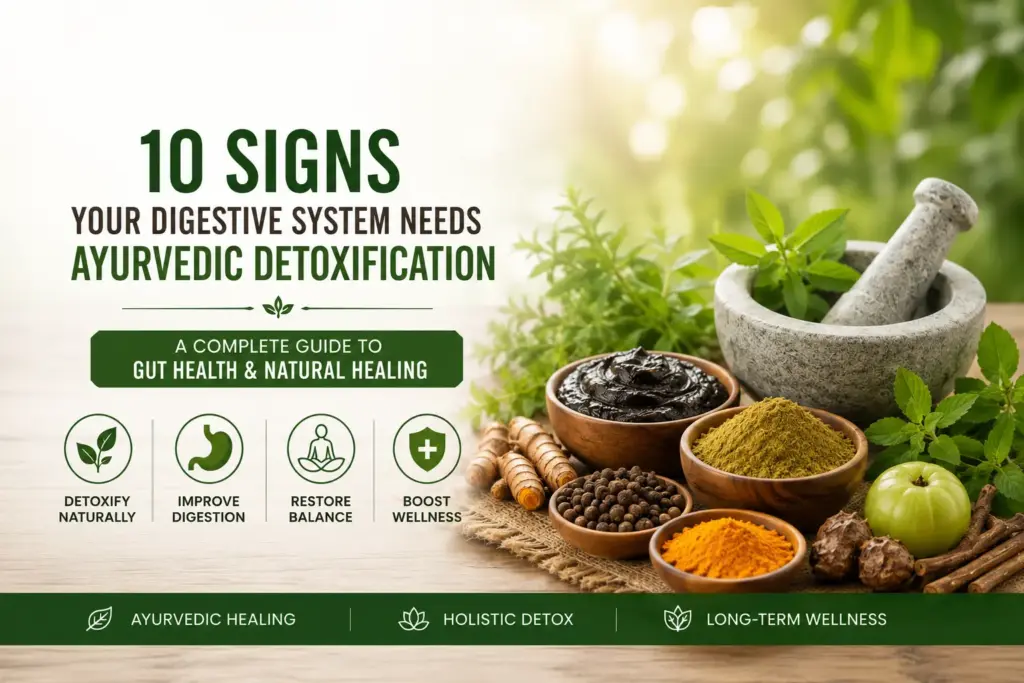
10 Signs Your Digestive System Needs Ayurvedic Detoxification

Introduction Digestive health is the cornerstone of overall wellness according to Ayurveda. When digestion becomes weak, toxins (Ama) accumulate in the body, affecting not only the gut but also energy levels, metabolism, immunity, skin health, and mental clarity. Many people experience daily digestive discomfort without realizing these symptoms may indicate the need for detoxification. At Dhanwanthari Ayurveda, a leading Ayurvedic clinic in Dubai, digestive issues are treated through personalized Ayurvedic treatment plans that focus on identifying and addressing the root cause rather than simply managing symptoms. This guide explores the most common signs your digestive system may need Ayurvedic detoxification and how Ayurveda helps restore digestive balance naturally. What Is Ayurvedic Digestive Detoxification? Ayurvedic detoxification focuses on removing accumulated toxins (Ama) from the digestive system while strengthening digestive fire (Agni). Unlike quick-fix detox programs, Ayurvedic detox aims to: Improve digestion naturally Support nutrient absorption Enhance metabolism Balance doshas Promote long-term digestive wellness Common Ayurvedic detox therapies include Panchakarma, Virechana, Basti, dietary correction, and herbal support. Why Digestive Health Matters in Ayurveda According to Ayurveda, nearly all diseases begin with digestive imbalance. A healthy digestive system supports efficient nutrient absorption, stable energy levels, strong immunity, and overall vitality. Healthy Digestion vs Digestive Imbalance Healthy Digestion Digestive Imbalance Regular bowel movements Constipation or irregular stools Comfortable digestion after meals Bloating and discomfort Stable energy levels Fatigue after eating Fresh breath Persistent bad breath Clear skin Frequent skin issues Consistent appetite Irregular hunger patterns Mental clarity Brain fog and poor concentration Efficient metabolism Sluggish digestion Quick Symptom Checker: Does Your Digestive System Need Detoxification? Symptom Frequency Possible Ayurvedic Interpretation Acidity or Heartburn Frequently Excess Pitta Bloating After Meals Often Ama accumulation Constipation Regularly Vata imbalance Gas Formation Daily Weak Agni Bad Breath Persistent Poor digestion Feeling Heavy After Eating Frequently Excess Kapha Irregular Appetite Common Disturbed Agni Fatigue After Meals Often Poor nutrient absorption Brain Fog Regularly Gut-mind imbalance Skin Problems Ongoing Internal toxin buildup If you experience multiple symptoms regularly, it may be time to consider Ayurvedic detoxification. 10 Signs Your Digestive System Needs Detoxification 1. Frequent Acidity Recurring acidity, heartburn, or acid reflux may indicate excess Pitta and digestive imbalance. Common Symptoms Burning sensation in the chest Sour burps Acid reflux after meals Stomach irritation 👉 Related Blog: Ayurvedic Treatment for Acidity & Digestive Issues 2. Persistent Bloating Feeling bloated regularly after meals suggests improper digestion and toxin accumulation. You May Notice Abdominal fullness Tightness after eating Excess gas Digestive discomfort 3. Constipation Constipation is one of the most common signs of digestive imbalance. Symptoms Include Infrequent bowel movements Hard stools Difficulty passing stools Feeling incomplete after elimination 4. Gas After Meals Excess gas often indicates weak digestive fire (Mandagni). Possible Causes Eating too quickly Poor food combinations Weak digestion Vata imbalance 5. Bad Breath Persistent bad breath can sometimes originate from digestive issues rather than oral hygiene concerns. Ayurveda Associates Bad Breath With Ama accumulation Poor digestion Gut imbalance 6. Heavy Feeling After Eating Do you often feel sleepy, sluggish, or heavy after meals? This may indicate: Slow digestion Excess Kapha Poor metabolism 7. Irregular Appetite Some days you feel excessively hungry, while other days you have little appetite. Signs include: Sudden hunger fluctuations Loss of appetite Cravings for unhealthy foods 8. Fatigue After Meals Feeling tired immediately after eating may suggest poor digestive efficiency. Possible Causes Weak digestion Toxin accumulation Poor nutrient absorption 9. Brain Fog Digestive health and mental clarity are closely connected in Ayurveda. Common Symptoms Difficulty concentrating Mental fatigue Lack of focus Reduced productivity 10. Skin Problems Linked to Digestion Skin issues may sometimes originate from digestive imbalance. Common Concerns Acne Rashes Pigmentation Excess body heat 👉 Related Blog: Ayurvedic Detox for Skin Problems in Summer Common Digestive Symptoms and Ayurvedic Solutions Digestive Concern Common Symptoms Ayurvedic Approach Acidity Burning sensation, reflux Pitta-balancing therapies Bloating Fullness, discomfort Digestive detoxification Constipation Hard stools, irregular bowel movements Basti therapy Gas Burping, flatulence Agni enhancement Poor Appetite Reduced hunger Digestive fire regulation Sluggish Digestion Heaviness after meals Metabolism-supportive therapies Gut-Related Skin Issues Acne, pigmentation Internal detoxification How Ayurveda Detoxifies the Digestive System Virechana Therapy Virechana is a classical Ayurvedic detox treatment that helps eliminate toxins and balance Pitta. Benefits Improves digestion Reduces acidity Supports liver health Cleanses the digestive tract Panchakarma Detox Panchakarma is a comprehensive Ayurvedic detoxification system. Benefits Deep cleansing Toxin removal Better metabolism Improved gut health 👉 Related Blog: Ayurvedic Summer Detox Treatments in Dubai Basti Therapy Basti is especially effective for Vata-related digestive disorders. Benefits Supports colon health Improves bowel movements Reduces constipation Ayurvedic Herbal Support Common digestive herbs include: Triphala Amla Guduchi Jeera Hing These herbs should always be prescribed by a qualified Ayurvedic doctor. Benefits of Ayurvedic Digestive Detox Patients often experience: Improved digestion Better bowel regularity Reduced bloating Less acidity Better metabolism Increased energy Improved skin health Better mental clarity Enhanced overall wellness Expected Benefits at a Glance Before Detox After Detox Support Frequent bloating Better digestive comfort Constipation Improved bowel regularity Acidity Reduced digestive irritation Low energy Increased vitality Brain fog Improved focus Skin concerns Healthier-looking skin Why Choose Dhanwanthari Ayurveda? At Dhanwanthari Ayurveda, every digestive treatment plan is personalized according to: Body constitution (Prakriti) Dosha imbalance Digestive strength Lifestyle habits Symptom severity What Patients Receive Doctor-supervised Ayurvedic treatment Personalized Panchakarma therapies Ayurvedic diet guidance Traditional herbal support Long-term wellness recommendations FAQs How do I know if my digestive system needs detoxification? Common signs include bloating, acidity, constipation, fatigue after meals, bad breath, and irregular digestion. What is the best Ayurvedic detox for digestion? Panchakarma and Virechana are among the most effective Ayurvedic detox therapies for digestive health. Can Ayurveda remove toxins from the gut? Ayurveda aims to reduce Ama (toxins) through detox therapies, dietary correction, digestive strengthening, and herbal support. How long does Ayurvedic digestive detox take? Most Ayurvedic detox programs range from 7 to 21 days depending on individual health conditions and treatment goals. Book Your Ayurvedic Digestive Detox Consultation in Dubai Digestive issues should not be ignored,

Ayurvedic digestive health and gut healing treatment in Dubai
Healthy Lifestyle

Complete Ayurvedic Guide to Digestive Health and Gut Healing

Introduction Digestive health is the foundation of overall wellness in Ayurveda. According to Ayurvedic science, most health issues begin with poor digestion, toxin accumulation, and an imbalance in the digestive system. Common digestive problems such as: Acidity Bloating Constipation Gas Indigestion Acid reflux Irregular bowel movements often indicate weakened digestive fire, known as Mandagni in Ayurveda. At Dhanwanthari Ayurveda, a trusted Ayurvedic clinic in Dubai, digestive disorders are treated through personalised Ayurvedic therapies, detoxification, herbal medicines, and lifestyle correction. This complete guide explains how Ayurveda supports digestive health and gut healing naturally. Understanding Digestion in Ayurveda Ayurveda considers digestion (Agni) as the core of health. When digestion is strong: ✔ Nutrients are absorbed properly✔ Energy levels improve✔ Metabolism functions efficiently✔ Toxins are eliminated naturally However, weak digestion leads to: Ama (toxins) Poor metabolism Gut imbalance Chronic digestive discomfort This is why Ayurveda focuses on treating the root cause instead of only controlling symptoms. Common Signs of Poor Gut Health Many people ignore early digestive symptoms until they become chronic. Common signs include: Frequent acidity Gas and bloating Constipation Irregular appetite Feeling heavy after meals Bad breath Fatigue after eating Brain fog Skin problems linked to digestion Ayurveda connects gut health closely with immunity, skin health, metabolism, and mental wellness. Causes of Digestive Problems According to Ayurveda 1. Weak Digestive Fire (Mandagni) Poor eating habits weaken digestion over time. Causes: Eating heavy foods Irregular meal timing Overeating Late-night meals 2. Ama (Toxin Accumulation) Undigested food turns into toxins inside the body. Ama may contribute to: Acidity Fatigue Bloating Skin issues Joint discomfort 3. Dosha Imbalance Different digestive symptoms may relate to different dosha imbalances. Pitta imbalance: Acidity Burning sensation Loose stools Kapha imbalance: Sluggish digestion Heaviness Weight gain Vata imbalance: Gas Constipation Irregular digestion Ayurvedic Treatments for Digestive Health At Dhanwanthari Ayurveda, treatments are customised according to body constitution and symptoms.  1. Virechana Therapy A detox therapy that helps eliminate toxins and balance Pitta. Benefits: Reduces acidity Improves digestion Supports liver function Cleanses the digestive system 2. Panchakarma Detox Panchakarma is a classical Ayurvedic detoxification therapy. Benefits: Removes toxins Improves metabolism Restores gut balance Supports natural healing 👉 Related Blog: Ayurvedic Summer Detox Treatments in Dubai 3. Basti Therapy Basti helps regulate Vata and improve gut function. Benefits: Helps constipation Improves bowel movements Supports colon health 4. Herbal Ayurvedic Medicines Traditional herbs are used to improve digestive strength naturally. Common herbs: Triphala Jeeraka Hing Guduchi Amla 👉 Herbal medicines should only be taken under medical supervision. Ayurvedic Diet for Gut Healing Diet is one of the most important parts of Ayurvedic digestive care. Recommended Foods: ✅ Warm freshly cooked meals✅ Light digestible foods✅ Herbal drinks✅ Buttermilk✅ Cooked vegetables Foods to Avoid: ❌ Fried foods❌ Processed foods❌ Excess spicy foods❌ Cold beverages❌ Heavy late-night meals Following proper food habits improves gut healing naturally. Lifestyle Tips for Better Digestion Simple lifestyle changes can improve digestive health significantly. Ayurveda recommends: Eating meals on time Avoiding overeating Sleeping early Drinking warm water Managing stress Daily movement and exercise Why Choose Dhanwanthari Ayurveda?  At Dhanwanthari Ayurveda, digestive health programs are personalised based on: Body constitution Digestive strength Dosha imbalance Lifestyle habits Symptom severity Patients receive: Doctor-supervised Ayurvedic treatment Panchakarma detox therapies Ayurvedic diet guidance Herbal treatment plans Long-term wellness support As a trusted Ayurvedic clinic in Dubai, Dhanwanthari Ayurveda focuses on authentic Ayurveda and holistic healing. Patients trust the expertise of the best Ayurvedic doctor in Dubai for digestive and gut health management. FAQs  How does Ayurveda improve digestive health? Ayurveda improves digestion by detoxifying the body, balancing doshas, strengthening digestion, and correcting food habits naturally. What is the best Ayurvedic treatment for gut healing? Panchakarma, Virechana, Basti, and Ayurvedic herbal medicines are commonly used for gut healing. Can Ayurveda cure acidity naturally? Ayurveda helps manage acidity naturally by balancing Pitta, improving digestion, and removing toxins. What foods improve gut health in Ayurveda? Warm light meals, herbal drinks, cooked vegetables, buttermilk, and digestive herbs support gut healing naturally. Related Ayurvedic Digestive & Detox Blogs 👉 Ayurvedic Treatment for Acidity & Digestive Issues👉 Ayurvedic Summer Detox Treatments in Dubai👉 Top Signs You Need an Ayurvedic Liver Detox👉 Best Ayurvedic Foods for Fatty Liver Recovery👉 Ayurvedic Cooling Drinks for Fast Summer Relief Book Ayurvedic Digestive Treatment in Dubai Ignoring digestive problems may affect metabolism, immunity, liver health, and overall wellness. Ayurveda focuses on identifying underlying digestive imbalances and supporting long-term gut health naturally. 👉 Read our guide: IBS vs GERD vs Acid Reflux: How Ayurveda Identifies the Root Cause Naturally 👉 Call / WhatsApp: +971 50 7796303 👉 Visit Dhanwanthari Ayurveda — the best Ayurvedic clinic in Dubai Start your personalised Ayurvedic digestive healing journey today.

Panchakarma therapy for fatty liver detox and Ayurvedic liver healing
Healthy Lifestyle

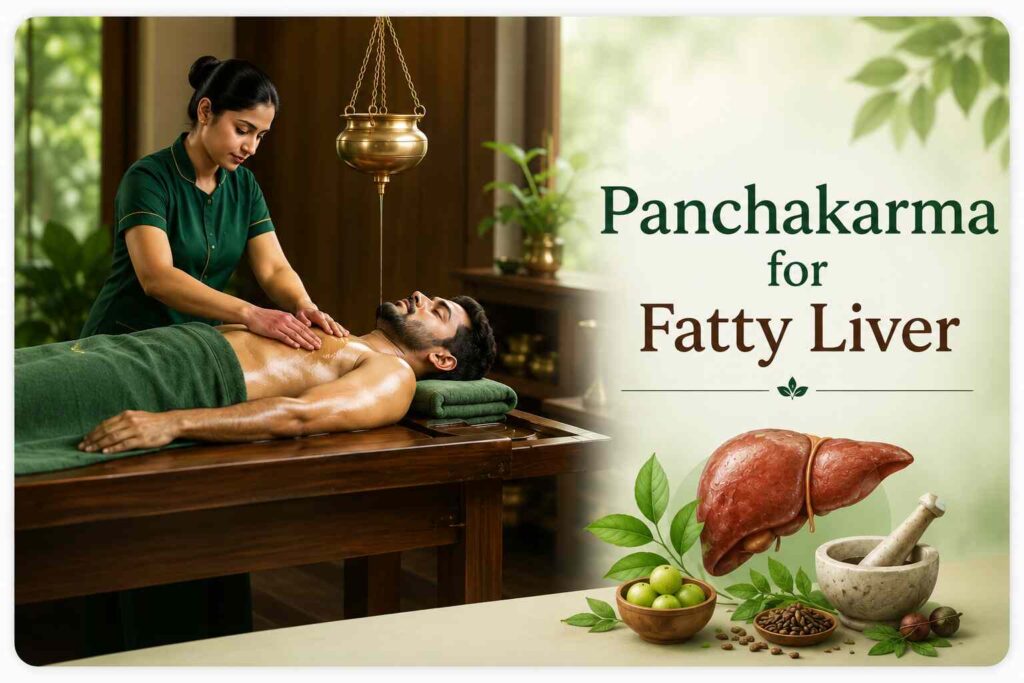
Can Panchakarma Reverse Fatty Liver Naturally?

Introduction Fatty liver is becoming increasingly common due to poor eating habits, stress, lack of exercise, and unhealthy lifestyles. Many people experience symptoms such as bloating, fatigue, acidity, weight gain, and sluggish digestion without realizing the liver may be affected. According to Ayurveda, fatty liver develops due to: Weak digestion (Mandagni) Toxin accumulation (Ama) Kapha imbalance Poor fat metabolism This is where Panchakarma for fatty liver becomes important. Panchakarma is a traditional Ayurvedic detoxification therapy designed to remove toxins, improve metabolism, and restore internal balance naturally. At Dhanwanthari Ayurveda, a trusted Ayurvedic clinic in Dubai, Panchakarma therapies are customized under the supervision of the best Ayurvedic doctor in Dubai for safe and effective healing. What is Panchakarma in Ayurveda? Panchakarma is a classical Ayurvedic detox system that helps cleanse the body deeply. Goals of Panchakarma: ✔ Remove toxins (Ama)✔ Improve digestion✔ Support metabolism✔ Balance doshas✔ Improve liver function naturally Unlike temporary detox methods, Panchakarma focuses on correcting the root cause. How Panchakarma Helps Fatty Liver 1. Detoxifies the Liver Naturally Ayurveda believes toxins accumulate due to poor digestion and unhealthy food habits. Panchakarma helps: Remove toxins Improve digestion Reduce liver stress Support healthy metabolism 2. Improves Digestive Fire (Agni) Weak digestion is one of the main reasons for toxin accumulation. Panchakarma supports: Better digestion Improved nutrient absorption Reduced bloating and acidity 👉 Related Blog: Ayurvedic Treatment for Acidity & Digestive Issues 3. Helps Weight & Fat Management Excess body fat and obesity often contribute to fatty liver. Ayurvedic detox therapies help improve metabolism naturally. 👉 Related Blog: Ayurvedic Weight Loss Treatment in Dubai 4. Reduces Excess Pitta & Internal Heat Liver imbalance can increase body heat and inflammation. Panchakarma therapies help cool and balance the body naturally. 👉 Related Blog: Ayurvedic Detox for Skin Problems in Summer Important Panchakarma Therapies for Fatty Liver Virechana Therapy One of the most effective Ayurvedic detox treatments for liver cleansing. Benefits: Removes toxins Improves digestion Reduces acidity Supports liver health Abhyanga (Herbal Oil Therapy) Warm medicated oil massage helps improve circulation and toxin removal. Benefits: Improves relaxation Supports metabolism Enhances detoxification Basti Therapy Basti helps regulate digestion and metabolism. Benefits: Supports gut health Reduces toxin accumulation Improves internal balance Ayurvedic Diet During Panchakarma Diet plays a major role in liver healing. Recommended: ✅ Warm light meals✅ Herbal drinks✅ Bitter vegetables✅ Easily digestible foods Avoid: ❌ Fried foods❌ Alcohol❌ Processed foods❌ Excess sugar 👉 Related Blog: Best Ayurvedic Foods for Fatty Liver Recovery Why Choose Dhanwanthari Ayurveda?  At Dhanwanthari Ayurveda, every detox program is personalized based on: Body constitution Digestive health Metabolism Lifestyle habits Symptom severity Patients receive: Doctor-supervised Ayurvedic treatments Personalised Panchakarma therapies Diet and lifestyle guidance Traditional Ayurvedic healing methods Long-term wellness support As one of the leading Ayurvedic clinics in Dubai, Dhanwanthari Ayurveda focuses on authentic Ayurvedic healing and natural recovery. Patients trust the expertise of the best Ayurvedic doctor in Dubai for digestive and liver health management. FAQs Can Panchakarma reverse fatty liver naturally? Panchakarma supports fatty liver recovery naturally by detoxifying the body, improving digestion, and balancing metabolism. Which Panchakarma therapy is best for fatty liver? Virechana is considered one of the most effective Ayurvedic detox therapies for fatty liver and liver cleansing. How long does Panchakarma for fatty liver take? The duration may vary depending on the condition, but many detox programs range from 7–21 days. Is Panchakarma safe for fatty liver? Yes, Panchakarma treatment is generally safe when performed under the supervision of a qualified Ayurvedic doctor. Related Ayurvedic Detox & Liver Health Articles 👉 Ayurvedic Treatment for Fatty Liver in Dubai👉 Top Signs You Need an Ayurvedic Liver Detox👉 Complete Ayurvedic Guide to Digestive Health and Gut Healing👉 Ayurvedic Summer Detox Treatments in Dubai Book Panchakarma for Fatty Liver in Dubai Natural liver healing begins with proper detoxification, digestion correction, and metabolism balancing. 👉 Call / WhatsApp: +971 50 7796303👉 Visit Dhanwanthari Ayurveda — the best Ayurvedic clinic in Dubai Start your personalized Ayurvedic Panchakarma detox today.

Best Ayurvedic Foods for Fatty Liver Recovery
Healthy Lifestyle

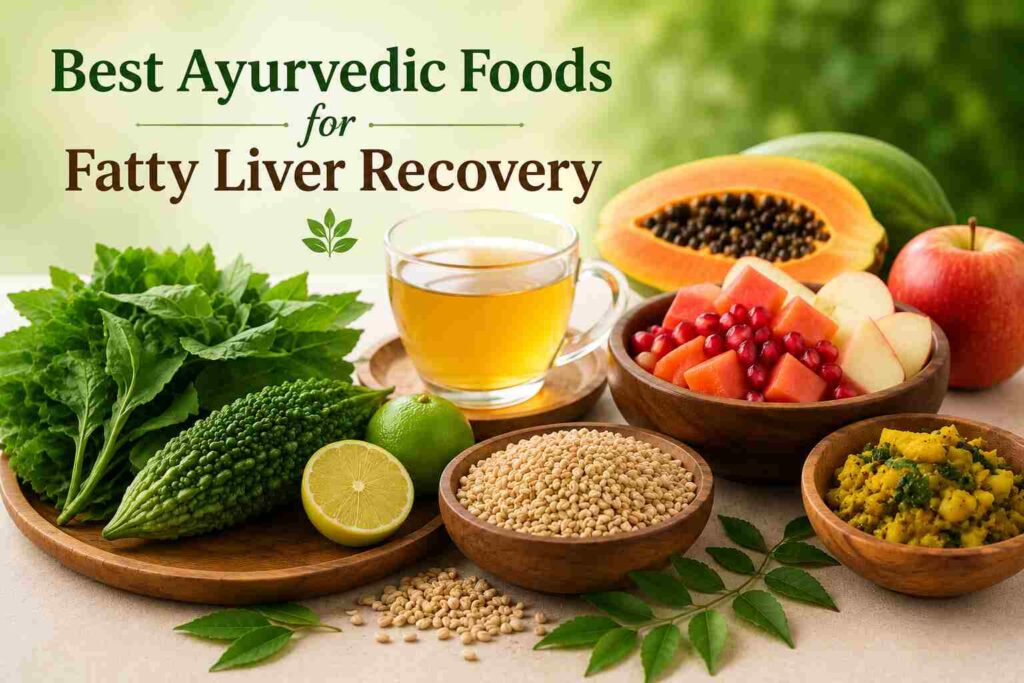
Best Ayurvedic Foods for Fatty Liver Recovery

Introduction Fatty liver is often linked to poor digestion, toxin accumulation, unhealthy eating habits, and slow metabolism. According to Ayurveda, improper food choices weaken digestion (Agni), leading to toxin buildup (Ama) and liver imbalance. This is why diet plays a major role in Ayurvedic treatment for fatty liver. At Dhanwanthari Ayurveda, a trusted Ayurvedic clinic in Dubai, doctors recommend personalised Ayurvedic diet plans along with detox therapies to support natural liver healing. Choosing the right foods can help: Improve digestion Support metabolism Reduce liver stress Improve energy levels Support detoxification naturally How Ayurveda Views Fatty Liver Ayurveda connects fatty liver with: Weak digestion Kapha imbalance Toxin accumulation Poor fat metabolism The goal of Ayurveda is not just symptom management but restoring internal balance naturally. This includes: ✔ Detoxification✔ Digestive correction✔ Metabolism support✔ Healthy food habits Best Ayurvedic Foods for Fatty Liver Recovery 1. Bitter Vegetables Bitter foods help cleanse the liver naturally. Recommended: Bitter gourd Fenugreek leaves Neem-based preparations Benefits: Supports detoxification Improves digestion Reduces toxin buildup 2. Warm Herbal Fluids Ayurveda recommends warm fluids instead of cold drinks. Helpful options: Coriander water Cumin water Herbal detox drinks Benefits: Supports metabolism Improves digestion Reduces bloating 👉 Related Blog: Ayurvedic Cooling Drinks for Fast Summer Relief 3. Barley & Millets Light grains improve digestion and reduce heaviness. Benefits: Supports fat metabolism Helps weight management Improves digestive strength 4. Fresh Fruits Fresh fruits help improve hydration and digestion naturally. Recommended fruits: Pomegranate Papaya Apple Pear Avoid: ❌ Excessively sugary fruits❌ Packaged juices 5. Green Leafy Vegetables Leafy vegetables help improve digestion and liver function. Benefits: Rich in antioxidants Supports detoxification Helps reduce inflammation 6. Garlic & Ginger These Ayurvedic ingredients help stimulate digestion naturally. Benefits: Improves metabolism Reduces Ama (toxins) Supports liver health Foods to Avoid for Fatty Liver Avoiding harmful foods is equally important. Avoid: ❌ Fried foods❌ Processed foods❌ Excess sugar❌ Soft drinks❌ Alcohol❌ Heavy late-night meals These foods worsen liver stress and toxin accumulation. Ayurvedic Therapies That Support Liver Recovery Diet works best when combined with proper Ayurvedic detox therapies. Recommended treatments: Virechana Panchakarma detox Herbal digestive correction Metabolism-support therapies At Dhanwanthari Ayurveda, treatments are customised based on body constitution and symptoms. Why Choose Dhanwanthari Ayurveda?  At Dhanwanthari Ayurveda, patients receive: Personalized Ayurvedic consultation Doctor-supervised detox programs Dosha-based diet planning Traditional Ayurvedic therapies Long-term wellness guidance As a leading Ayurvedic clinic in Dubai, the clinic focuses on holistic healing through authentic Ayurveda. Patients trust the expertise of the best Ayurvedic doctor in Dubai for digestive and liver health support. FAQs What foods help fatty liver recovery naturally? Bitter vegetables, herbal drinks, leafy greens, barley, and fresh fruits help support liver recovery naturally. Can Ayurveda improve fatty liver with diet? Yes, Ayurveda focuses heavily on diet correction to improve digestion, metabolism, and liver function naturally. Which Ayurvedic food is best for liver detox? Bitter vegetables, coriander water, and light digestible foods are commonly recommended in Ayurveda. What foods should be avoided in fatty liver? Avoid fried foods, alcohol, processed foods, sugary drinks, and heavy meals. Related Ayurvedic Detox & Digestive Health Articles 👉 Ayurvedic Treatment for Fatty Liver in Dubai👉 Top Signs You Need an Ayurvedic Liver Detox👉 Complete Ayurvedic Guide to Digestive Health and Gut Healing👉 Ayurvedic Treatment for Acidity & Digestive Issues👉 Ayurvedic Weight Loss Treatment in Dubai Book Ayurvedic Fatty Liver Treatment in Dubai Natural liver recovery begins with proper digestion, detoxification, and Ayurvedic dietary correction. For additional medical information about fatty liver disease, you can also refer to Mayo Clinic’s Fatty Liver Disease Guide. 👉 Call / WhatsApp: +971 50 7796303👉 Visit Dhanwanthari Ayurveda — the best Ayurvedic clinic in Dubai Start your personalised Ayurvedic liver healing journey today.

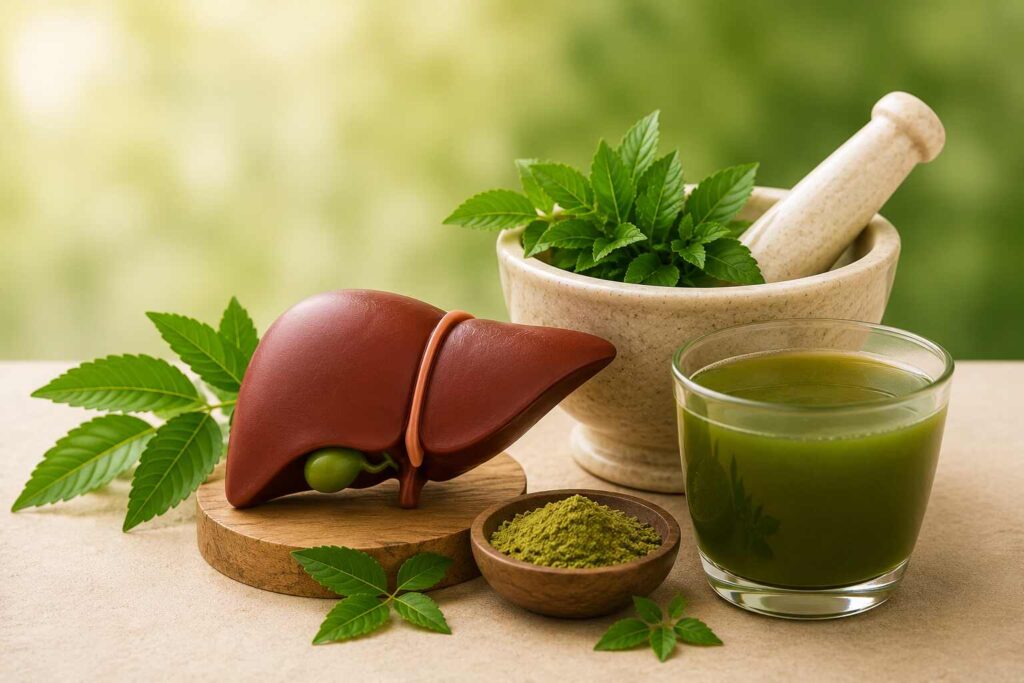
Top signs you need an Ayurvedic liver detox for digestion and liver health
Healthy Lifestyle

Top Signs You Need an Ayurvedic Liver Detox

Introduction The liver plays a major role in digestion, metabolism, detoxification, hormone balance, and overall energy levels. However, unhealthy eating habits, stress, poor sleep, processed foods, alcohol, and sedentary lifestyles can overload the liver over time. When the liver becomes sluggish, the body may begin showing early warning signs such as fatigue, bloating, acidity, poor digestion, skin issues, and unexplained weight gain. According to Ayurveda, these symptoms are linked to: Weak digestion (Mandagni) Toxin accumulation (Ama) Kapha imbalance Poor metabolic function An Ayurvedic liver detox helps cleanse the body naturally, improve digestion, support metabolism, and restore internal balance. At Dhanwanthari Ayurveda, a trusted Ayurvedic clinic in Dubai, detox therapies are personalized under the guidance of the best Ayurvedic doctor for safe and effective healing. Why Liver Detox Matters in Ayurveda In Ayurveda, the liver is closely connected to: Digestion Blood purification Fat metabolism Energy production Skin health When toxins accumulate in the body, the liver struggles to function efficiently. This is why Ayurvedic detox treatments focus on: ✔ Removing toxins naturally✔ Improving digestion✔ Supporting metabolism✔ Balancing doshas✔ Enhancing overall wellness Top Signs You Need an Ayurvedic Liver Detox 1. Constant Fatigue & Low Energy Do you feel tired even after proper sleep? Poor liver function may affect metabolism and energy production. Ayurveda explains this as: Toxin buildup Weak digestion Poor nutrient absorption An Ayurvedic liver detox helps improve energy naturally. 2. Acidity, Bloating & Poor Digestion Digestive issues are among the earliest signs of liver imbalance. Common symptoms: Acidity Gas and bloating Heavy feeling after meals Irregular bowel movements Ayurveda focuses on correcting digestion before deeper health issues develop. Related Blog: Ayurvedic Treatment for Acidity & Digestive Issues 3. Unexplained Weight Gain Slow metabolism and toxin accumulation can contribute to weight gain. When digestion becomes weak, the body stores excess fat more easily. Ayurveda supports: Metabolism improvement Fat detoxification Better digestive strength Related Blog: Ayurvedic Weight Loss Treatment in Dubai 4. Excess Body Heat & Skin Problems Liver imbalance may increase internal heat in the body. Common signs: Acne Skin rashes Pigmentation Burning sensation An Ayurvedic detox helps cool the body naturally. Related Blog: Ayurvedic Detox for Skin Problems in Summer 5. Brain Fog & Poor Concentration Mental fatigue can also be linked to toxin accumulation. Many patients experience: Poor focus Mental heaviness Lack of clarity Irritability Ayurveda improves mind-body balance through detox and nervous system support. 6. Poor Sleep Quality When metabolism and internal heat become imbalanced, sleep quality may decline. Symptoms include: Difficulty sleeping Disturbed sleep Stress-related insomnia Detox therapies and calming Ayurvedic treatments help restore relaxation naturally. Related Blog: Shirodhara Treatment in Dubai Ayurvedic Treatments for Liver Detox At Dhanwanthari Ayurveda, detox therapies are customised based on individual body constitution and symptoms. 1. Virechana Therapy A classical Ayurvedic detox therapy used for liver cleansing and Pitta balance. Benefits: Removes toxins Supports liver health Improves digestion Reduces acidity  2. Panchakarma Detox Panchakarma helps cleanse the digestive system and improve metabolism naturally. Benefits: Deep detoxification Better energy Improved digestion Reduced toxin accumulation 3. Herbal Ayurvedic Medicines Traditional Ayurvedic herbs help support liver recovery naturally. Common herbs used: Triphala Guduchi Kutki Bhumyamalaki Medicines should only be taken under professional supervision. Foods That Support Liver Health Naturally Recommended: Warm light mealsBitter vegetablesHerbal drinksFresh fruits Avoid: Processed foodsExcess sugarFried foodsAlcohol These dietary changes improve the effectiveness of Ayurvedic liver detox treatments. Why Choose Dhanwanthari Ayurveda? At Dhanwanthari Ayurveda, every patient receives: Personalized consultation Dosha-based assessment Doctor-supervised detox therapies Traditional Ayurvedic treatment plans Lifestyle and dietary guidance As a trusted Ayurvedic clinic in Dubai, the clinic provides holistic care focused on long-term wellness and natural healing. Patients rely on the expertise of the best Ayurvedic doctor in Dubai for digestive and liver health management. FAQs What are the signs you need a liver detox? Common signs include fatigue, bloating, acidity, weight gain, skin issues, poor digestion, and low energy. Can Ayurveda detox the liver naturally? Yes, Ayurveda supports natural liver detox through Panchakarma therapies, herbal medicines, and digestive correction. What is the best Ayurvedic therapy for liver detox? Virechana and Panchakarma are among the most effective Ayurvedic detox therapies for liver health. How long does Ayurvedic liver detox take? Detox programs usually range from 7–21 days, depending on the condition and body type. Related Ayurvedic Detox & Wellness Articles 👉 Ayurvedic Treatment for Fatty Liver in Dubai👉 Complete Ayurvedic Guide to Digestive Health and Gut Healing👉 Ayurvedic Summer Detox Treatments in Dubai👉 Ayurvedic Cooling Drinks for Fast Summer Relief Book Ayurvedic Liver Detox Treatment in Dubai Ignoring early liver imbalance signs may lead to long-term digestive and metabolic issues. Choose Ayurveda for safe and natural detoxification. 👉 Call / WhatsApp: +971 50 7796303👉 Visit Dhanwanthari Ayurveda — the best Ayurvedic clinic in Dubai Start your personalised Ayurvedic liver detox today.

Scroll to Top

Enquiry Now

 Be in touch.