
Dhanwanthari Ayurveda

Abhyanga Massage

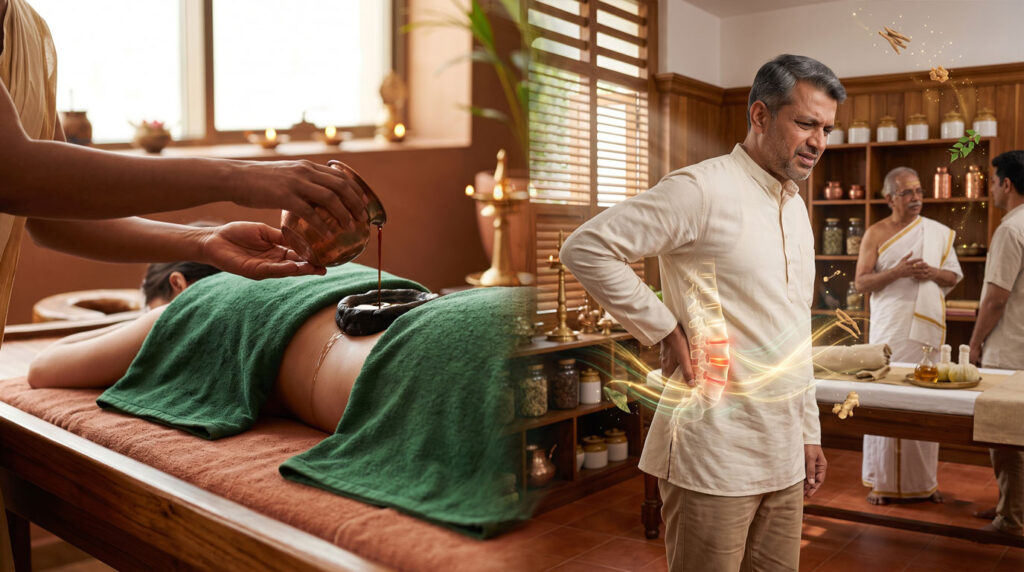
Ayurvedic back pain treatment in Dubai — herbal oil massage therapy"
Healthy Lifestyle

Ayurvedic Back Pain Treatment in Dubai: A Natural Path to Lasting Relief

Ayurvedic Back Pain Treatment in Dubai: A Natural Path to Lasting Relief Back pain is one of the most common health complaints among residents of the UAE, driven by long desk hours, sedentary lifestyles, and high-stress routines. While painkillers and physiotherapy offer temporary comfort, many people are now turning to Ayurvedic back pain treatment in Dubai for a more holistic, root-cause approach to healing. Unlike quick-fix solutions, Ayurveda addresses the underlying imbalance in the body that causes recurring pain, offering relief that lasts far longer than symptomatic care. In this guide, we’ll explore what Ayurvedic back pain treatment involves, why it’s gaining popularity in Dubai, and how you can choose the right therapy for your condition. What Causes Back Pain, According to Ayurveda? In Ayurvedic medicine, back pain is primarily linked to an imbalance in Vata dosha, the energy responsible for movement and the nervous system. When Vata becomes aggravated — due to poor posture, stress, irregular sleep, or a sedentary lifestyle — it leads to stiffness, muscle spasms, and nerve compression, all of which manifest as chronic or acute back pain. Rather than simply masking the pain, Ayurvedic back pain treatment in Dubai focuses on: Restoring balance to the aggravated dosha Improving blood circulation to the affected area Strengthening muscles and spinal alignment Detoxifying the body to reduce inflammation This root-cause philosophy is why many patients report longer-lasting results compared to conventional pain management alone. Popular Ayurvedic Therapies for Back Pain in Dubai Dubai’s growing wellness industry now offers a wide range of authentic Ayurvedic therapies, often performed by trained practitioners from India. Here are the most sought-after treatments: 1. Kati Basti A specialized therapy where warm medicated oil is retained over the lower back using a dough ring, allowing deep penetration into the muscles and joints. Kati Basti is particularly effective for lumbar spondylosis, sciatica, and disc-related issues. 2. Abhyanga (Full Body Oil Massage) A rhythmic, full-body massage using herbal oils infused with anti-inflammatory herbs like Mahanarayan or Dhanwantharam. This therapy improves circulation, reduces muscle tension, and calms the nervous system. 3. Pizhichil A luxurious treatment combining gentle massage with a continuous stream of warm herbal oil poured over the body. It’s especially beneficial for chronic back stiffness and nerve-related pain. 4. Elakizhi (Herbal Poultice Massage) Heated herbal leaf poultices are used to massage the back, helping reduce inflammation and improve joint mobility — ideal for arthritis-related back pain. 5. Panchakarma Detoxification For deep-seated or long-standing back issues, a full Panchakarma program may be recommended. This includes therapies like Basti (medicated enemas), which are considered the gold standard in Ayurveda for Vata-related disorders, including chronic back pain. Why Choose Ayurvedic Treatment for Back Pain in Dubai? Dubai has become a hub for authentic Ayurvedic wellness centers, many of which are staffed by certified doctors and therapists trained in Kerala, India — the birthplace of Ayurveda. Choosing Ayurvedic back pain treatment in Dubai comes with several advantages: Non-invasive and drug-free: No dependency on painkillers or long-term medication. Personalized care: Treatment plans are based on your unique body constitution (Prakriti). Addresses root cause: Focuses on long-term healing, not just symptom relief. Complementary lifestyle guidance: Includes diet, yoga, and daily routine (Dinacharya) recommendations. Convenient access: Numerous licensed Ayurvedic clinics across Dubai, from Al Barsha to Deira, make it easy to find a center near you. What to Expect During Your First Consultation Before starting any Ayurvedic back pain treatment in Dubai, a qualified Ayurvedic physician will typically: Assess your dosha constitution and current imbalance Review your medical history and lifestyle habits Examine the nature, location, and severity of your back pain Recommend a customized therapy plan, often combining massage therapies with internal herbal medicines Suggest posture correction, yoga asanas, and dietary changes to support recovery Most clinics recommend a course of 7 to 14 sessions for chronic conditions, though acute pain may show improvement in fewer sittings. Tips to Support Your Ayurvedic Back Pain Recovery To get the most out of your treatment, consider these Ayurvedic lifestyle tips: Avoid cold beverages and raw, dry foods that aggravate Vata Practice gentle yoga stretches like Bhujangasana (Cobra Pose) and Marjariasana (Cat-Cow Pose) Maintain a consistent sleep schedule Apply warm sesame oil to the lower back before bathing Stay hydrated with warm water and herbal teas Finding the Right Ayurvedic Clinic in Dubai When searching for Ayurvedic back pain treatment in Dubai, look for clinics that: Are licensed by Dubai Health Authority (DHA) Dr.Sathya  Employ qualified BAMS (Bachelor of Ayurvedic Medicine and Surgery) doctors Use authentic, high-quality herbal oils imported from India Offer personalized consultations rather than one-size-fits-all packages Have positive reviews specifically related to back pain and spinal conditions
Ayurvedic Skin Care in Winter
Blog

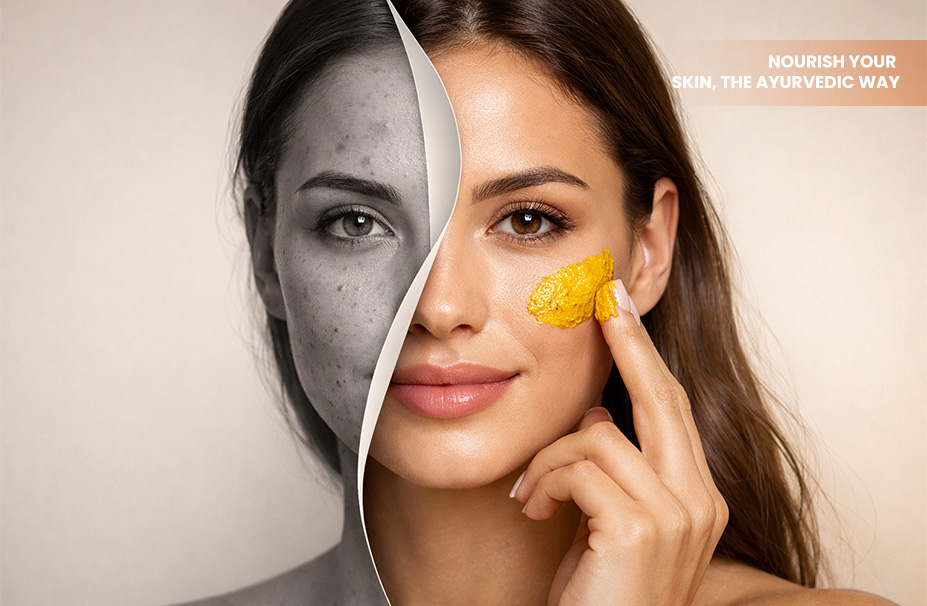
Ayurvedic Skin Care in Winter: How Dhanwanthari Ayurveda Keeps Your Skin Soft, Glowing, and Vata-Balanced

When the winter breeze sets in, our skin often pays the price. Dryness, flakiness, rough texture, and a dull complexion become common concerns as temperatures drop and humidity levels decrease. While most people reach for heavy creams and moisturizers, Ayurveda offers a deeper, more holistic solution. Ayurvedic Skin Care in Winter is about balancing the body’s internal energies—especially the Vata dosha—to nurture the skin from within and restore its natural glow. Ayurveda, the ancient Indian system of wellness, believes that our skin reflects our internal health. During winter, the Vata dosha—characterized by dryness, cold, and roughness—dominates, making it essential to adapt skincare rituals that counter these qualities. This is where the time-tested therapies and herbal formulations of Dhanwanthari Ayurveda come into play, providing nourishment, hydration, and rejuvenation tailored to each individual’s body constitution. Understanding the Winter Skin Challenge Winter is synonymous with Vata aggravation in Ayurvedic science. Vata governs movement, air, and space elements in the body. When it becomes imbalanced, it leads to dryness, dehydration, and premature aging of the skin. Common symptoms include: Tightness and rough texture Cracked lips and heels Flaky or itchy patches Increased sensitivity Dull and lifeless appearance Conventional skincare products often offer temporary relief but fail to address the root cause. Ayurvedic Skin Care in Winter emphasizes internal nourishment through warm oils, herbs, diet, and lifestyle adjustments that keep the Vata energy stable, ensuring lasting skin health and radiance. The Ayurvedic Approach to Winter Skincare Ayurveda teaches that true beauty begins with balance—inside and out. When the doshas are harmonized, the skin naturally radiates vitality. For winter, Ayurvedic skincare focuses on three pillars: hydration, nourishment, and rejuvenation. 1. Abhyanga: The Power of Self-Massage One of the most effective Ayurvedic rituals for winter is Abhyanga, the daily self-massage using warm herbal oils. Sesame oil, in particular, is known for its deep-penetrating and Vata-pacifying qualities. Regular Abhyanga improves blood circulation, strengthens tissues, and locks in moisture, leaving the skin supple and glowing. At Dhanwanthari centers, customized Abhyanga therapies are enhanced with herbs like ashwagandha, manjistha, and bala, which nourish the skin and promote a youthful tone. 2. Herbal Steam and Cleansing Gentle steaming using Ayurvedic herbs such as neem, tulsi, or vetiver helps open pores and remove impurities. Unlike harsh chemical exfoliants, these herbs purify the skin naturally without disturbing its natural oils. Herbal steam also improves the absorption of moisturizers and oils applied afterward. 3. Nourishing Herbal Masks Winter skin thrives on herbal nourishment. Ayurvedic face packs made from sandalwood, turmeric, licorice, and rose petals not only brighten the complexion but also calm inflammation and dryness. Applying these masks once or twice a week maintains softness and radiance. View this reel on Instagram   A post shared by … Diet and Lifestyle for Vata-Balanced Skin Ayurveda emphasizes that what we eat has a direct impact on our skin’s appearance. In winter, a diet that counters the cold and dryness of Vata is essential. Recommended foods include: Warm soups, stews, and porridges Ghee, sesame oil, and avocados for internal hydration Sweet, sour, and salty tastes to balance Vata Herbal teas made with ginger, cinnamon, and cardamom Lifestyle practices: Get adequate sleep and manage stress through meditation or yoga. Avoid long exposure to cold winds or very hot showers. Hydrate regularly with warm water rather than cold drinks. Together, these practices form the foundation of Ayurvedic Skin Care in Winter, keeping your skin nourished and vibrant from within. Specialized Winter Skin Treatments For those seeking professional care, Ayurveda offers specialized therapies that rejuvenate the skin at a deeper level. These treatments are tailored to individual doshas and skin types, ensuring personalized results. 1. Shirodhara This therapy involves gently pouring warm herbal oil over the forehead, promoting relaxation and hormonal balance. It indirectly enhances skin texture by reducing stress, a major contributor to dull and aging skin. 2. Mukha Lepam A traditional Ayurvedic facial treatment using herbal pastes, oils, and decoctions customized for Vata, Pitta, or Kapha skin types. In winter, Vata-pacifying ingredients like rose, aloe vera, and turmeric are commonly used to restore moisture and glow. 3. Udvartana This herbal powder massage gently exfoliates the skin, removing dead cells and stimulating circulation. It’s an excellent therapy for maintaining smooth, soft skin during cold weather. Such therapies, available as part of Ayurvedic Cosmetic Care in Dubai, are ideal for individuals looking for natural yet effective winter skincare alternatives. The Role of Herbs in Ayurvedic Skin Care in Winter Ayurveda harnesses the healing power of herbs to rejuvenate skin cells and restore vitality. Some of the most beneficial winter herbs include: Aloe Vera: Deeply hydrates and heals chapped skin. Sandalwood: Calms irritation and restores brightness. Manjistha: Purifies blood and improves skin tone. Ashwagandha: Strengthens tissues and reduces dryness. Licorice: Lightens pigmentation and adds a natural glow. These herbs, when used in the right combinations, not only nurture the skin but also help balance internal energies, promoting long-term radiance. Why Choose Dhanwanthari Ayurveda for Winter Skincare With decades of experience in authentic Ayurvedic treatments, Dhanwanthari combines traditional wisdom with modern diagnostic techniques to offer personalized skincare solutions. Each therapy is designed to harmonize the mind, body, and spirit, ensuring that beauty is both natural and sustainable. Whether through rejuvenating oil massages, herbal facials, or customized wellness plans, Dhanwanthari’s experts address the unique needs of every individual, helping them achieve soft, radiant, and Vata-balanced skin throughout the winter season. Conclusion Ayurvedic Skin Care in Winter is not just about preventing dryness—it’s about restoring balance and nurturing the body holistically. By integrating Ayurvedic rituals, herbal therapies, and mindful living, you can maintain soft, glowing, and youthful skin even during the harshest cold months. Embrace this season as an opportunity to slow down, rejuvenate, and reconnect with your body’s natural rhythms. With the right guidance from Ayurvedic experts and regular self-care, your skin can remain resilient, radiant, and Vata-balanced all year long. FAQs 1. What is the best Ayurvedic oil for winter skin care?Sesame oil is considered the best Vata-pacifying oil for

Scroll to Top

Enquiry Now

 Be in touch.