
Obesity
Obesity in Ayurveda
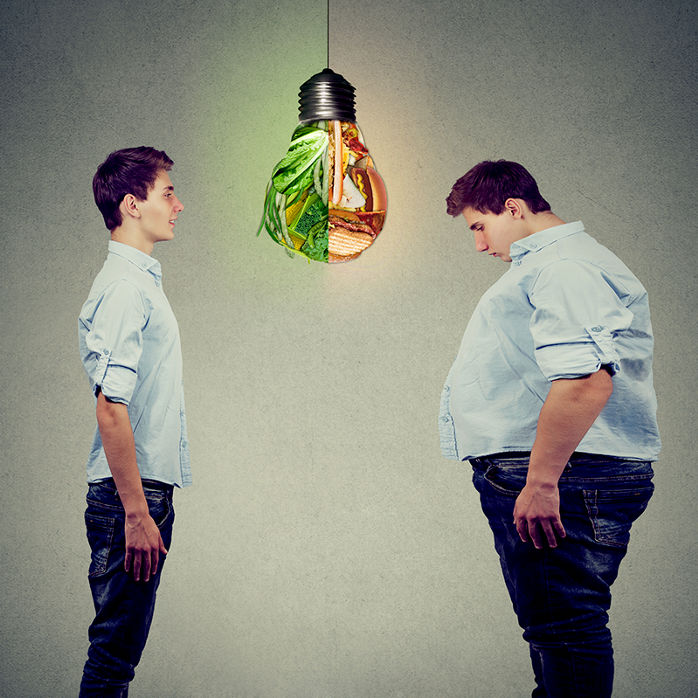
The pandemic of overweight and obesity presents a significant challenge for chronic disease prevention and health across life courses around the world, fueled by economic growth, industrialization, mechanized support, urbanization, an increasingly sedentary lifestyle, and a nutritional transition to processed foods and high-calorie diets over the last 3 decades. The rising prevalence of childhood obesity, in particular, forebodes a staggering burden of disease in individuals and healthcare systems in the decades to come.
Obesity is defined simply as excess body weight for height i.e. BMI > 30 Kg/m2.
Pathogenesis of Obesity
- Increased energy consumption
- Intake of a large portions of food
- Increased snacking and loss of regular meals
- Sugar-sweetened beverages
- Processed and unprocessed red meats
- Increased affluence
- Decreased energy expenditure
- Physical inactivity and decreased manual labor
- Sedentary lifestyles
- Leisure time activities
- Increased time spent on computer games, watching TV
- Increased car ownership
- Reversible causes
- Hypothyroidism
- Cushing’s syndrome
- Insulinoma
- Drug treatments: – Atypical antipsychotics, Sodium valproate, Beta-blockers, Glucocorticoids, insulin, Sulphonylureas, etc.
- Idiopathic causes
- Genetic factors: –
- Mutation of melanocortin-4 receptor
- Mutation leptin gene
- Prader-Willi syndrome
- Lawrence-Moon-Biedl syndrome
- Increased energy consumption
- Intake of large portion of food
- Increased snacking and loss of regular meals
- Sugar-sweetened beverages
- Processed and unprocessed red meats
- Increased affluence
- Decreased energy expenditure
- Physical inactivity and decreased manual labor
- Sedentary lifestyles
- Leisure time activities
- Increased time spent on computer games, watching TV
- Increased car ownership
- Reversible causes
- Hypothyroidism
- Cushing’s syndrome
- Insulinoma
- Drug treatments: – Atypical antipsychotics, Sodium valproate, Beta-blockers, Glucocorticoids, insulin, Sulphonylureas etc.
- Idiopathic causes
- Genetic factors: –
- Mutation of melanocortin-4 receptor
- Mutation leptin gene
- Prader-Willi syndrome
- Lawrence-Moon-Biedl syndrome
Ayurveda Obesity Treatment
Ayurveda places great emphasis on the balanced state of body tissues (Dhatus) and the mind while defining overall health. According to Ayurveda, obesity is a condition in which Medodhatu (the fatty component of the body) undergoes Vikruta Vriddhi (abnormal increase), a condition correlated with Sthoulya.
Classical Ayurvedic texts describe multiple causative factors for Sthoulya, including hereditary components (Bijadushti), improper dietary habits, sedentary lifestyle, and psychological influences. In addition to these, factors that aggravate Medodhatu and Kapha Dosha play a significant role in the development of obesity.
A key pathological factor in the etiopathogenesis of Sthoulya is Dhatu Agni Mandya, which refers to weakened digestive and metabolic fire at the tissue level. When tissue metabolism is impaired, fat accumulation increases, leading to weight gain and associated health complications.
At Dhanwanthari Ayurveda Dubai, obesity management is approached holistically by identifying the root cause of Medodhatu imbalance. Treatments focus on correcting Agni, balancing Kapha Dosha, detoxifying the body, and restoring metabolic harmony through personalized Ayurvedic therapies, herbal formulations, diet regulation, and lifestyle guidance. This comprehensive approach supports healthy weight management and long-term wellbeing in a natural and sustainable manner.
Causative factors of sthoulya: –
Adhyasana, avyayama, amatvam, divaswapnam, brumhana ahara vihara, avyavaya
Sthoulya Lakshanas mentioned in Ayurveda: –
KshudraSwasa (Difficulty in breathing), Trit (thirst), Moha (Delusion), Sweda (sweating), Dourgandhya (foul smell from body), Alpaprana (less longevity), Alpamaithuna (poor sexual activity)
Complications described in Ayurveda Samhitas: –
Arshoroga, Atisara, Bhagandhara, Jwara, Kamala, Kasa, Mutrakricchra, Kushta, Prameha pidaka, Sleepada, Urusthamba, Vruddhi roga, Sanyasa, Vatavikara etc.
Line of Ayurveda management: –
- According to Ayurveda, sthoulya mentioned under santharpanottha vikara (Diseases due to over nourishment) and it should be treated with apatarpana chikitsa (Reduction therapy).
- First & foremost line of treatment is Nidanaparivarjanam (Avoidance of causative factors).
- Tridoshahara aharavihara, especially alleviation of Samanavayu, Pachaka pitta, and Kledaka kapha along with reduction of medodhathu by increasing dhatvagnis should be the main goal of treatment.
- The Line of treatment for obesity can be divided into: –
- Samsodhana (Bio purification therapy)
- Samsamana (Alleviation therapy)
- Nitya langhana (reduction therapy) is advised, according to dehabala and vyadhibala.
- Types of langhana include i.e. Vamana (Emesis), Virechana (Purgation), Vasti (Enema), Pipasaveganigraha (Control of thirst), Atapaseva (Exposure to sun heat), Upavasa (Fasting), Vyayaama (Exercise), Pachana (Intake of digestants) etc.
- Rukshana Chikitsa (Drying therapy) mentioned under Shad-vidhopakrama also can be utilized e.g. Ruksha Udwarthana (Dry powder massage).
- Lekhaniya gana dravyas (Drugs with scrapping action) can be also utilized.
- Pathya aharavihara (wholesome food & regime) also well appreciated.
Lifestyle changes: –
- Practice of Yoga asanas e.g. Suryanamaskara, Pavanamuktasana
- Adopting regular eating patterns.
- Substitute sugar with artificial sweeteners.
- Avoidance of sweetened beverages, snacking etc.
- Use of following things, (as eatables for daily) advised: –
- Triphala (Nellikka, Kadukka, Thannikka)
- Kulatha (Horsegram)
- Madhu (Honey)
- Abhaya (Kadukka)
- Godhuma (Wheat, Oats etc.)
- Venuyava (Bamboo seed)
- Ushnodaka (Hot water)
- Walking rather than driving to work
- Swimming is advised.
- Maximise physical activities.
You May Also Like
Contact Us
We are pleased to inform you that there is free parking now available when you visit Dr. Sathya. The name of the parking area is Samara parking. It’s just opposite to West zone supermarket. Behind the al ain center building. Just inform the parking person that you are going to the Dhanwanthari clinic. Make ensure your appointment before coming