


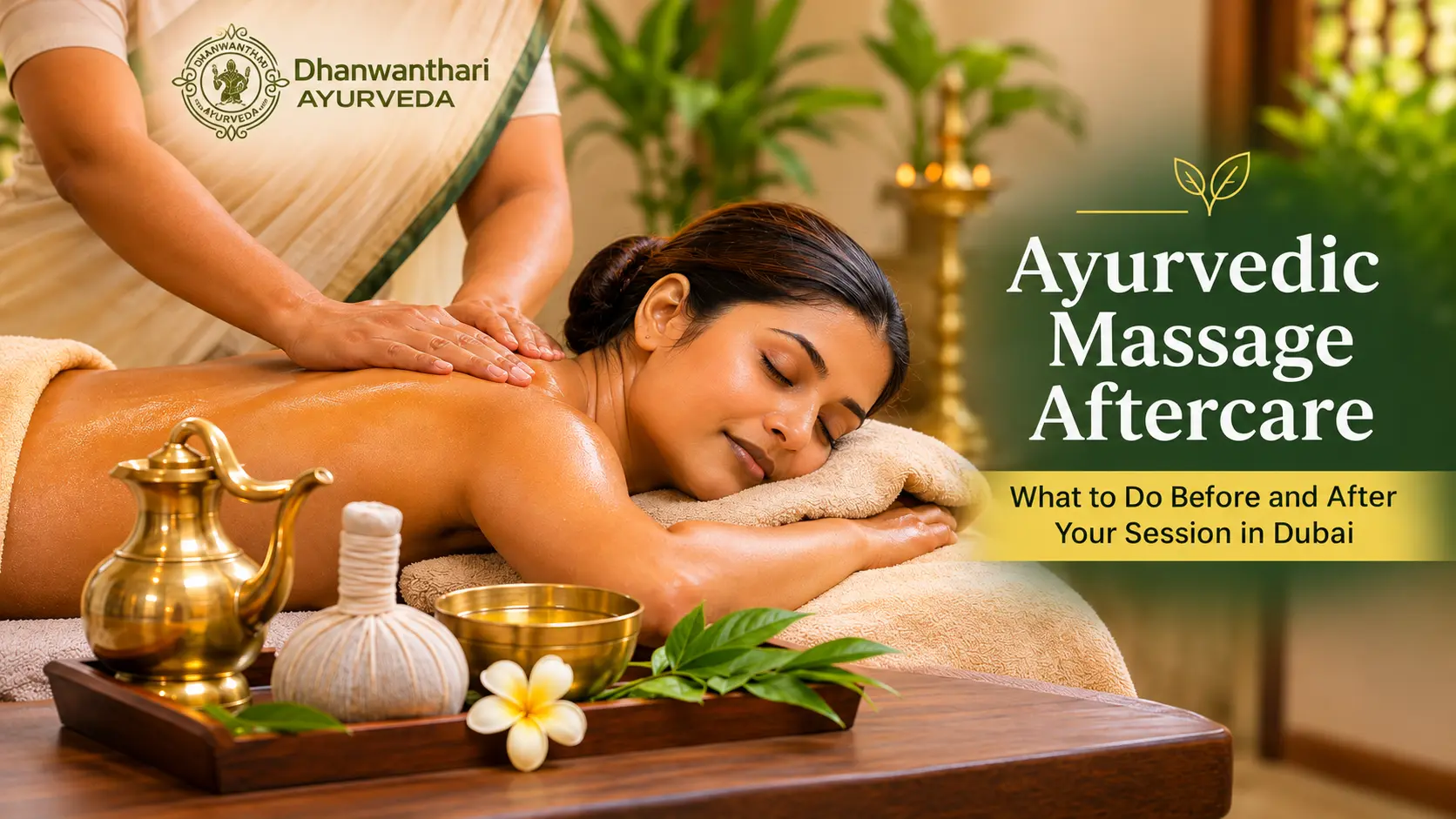

Planning your first Ayurvedic massage? Knowing how to prepare for your appointment and what to do afterwards can make the experience more comfortable and help you understand the treatment process.
Traditional Kerala Ayurvedic massage involves specialised techniques, selected herbal oils, and treatment approaches that may vary according to individual requirements. Whether you are exploring Abhyangam, herbal bundle therapies, or other traditional procedures, preparation and aftercare are important parts of the experience.
If you are considering Ayurvedic massage in Dubai, understanding what to expect before, during, and after your session can help you make informed decisions.
In this guide, we explain practical preparation tips, common mistakes to avoid, and important precautions for a comfortable Ayurvedic massage experience.
Why Preparation Matters Before an Ayurvedic Massage
Unlike a standard relaxation massage, certain traditional Ayurvedic procedures may involve warmed herbal oils, specialised massage techniques, or heat-based applications.
The preparation required can depend on the type of therapy, the duration of the procedure, and your individual health circumstances.
For example, someone receiving a traditional Abhyangam oil massage may require different instructions from someone undergoing a Kizhi therapy involving warm herbal bundles.
Preparing for the appointment also gives you an opportunity to discuss your expectations, disclose relevant medical information, and understand the procedure.
A qualified practitioner can explain whether a particular therapy is appropriate for you and recommend any necessary precautions.
7 Things to Do Before Your Ayurvedic Massage Session
1. Discuss Your Health History with the Practitioner
Before beginning any Ayurvedic massage or specialised therapy, inform the practitioner about relevant medical conditions, injuries, allergies, medications, and previous treatment experiences.
You should also mention pregnancy, recent surgery, skin infections, or any unusual pain.
This information helps the practitioner assess whether the proposed procedure is appropriate or whether it should be modified or postponed.
If you have an ongoing medical condition, do not discontinue prescribed medication or replace necessary medical treatment with massage.
2. Avoid Eating a Heavy Meal Immediately Before the Session
A large meal just before a massage may cause discomfort, particularly when lying face down or receiving a full-body treatment.
Consider leaving some time between a substantial meal and your appointment.
A light meal may be more comfortable, depending on your schedule and the practitioner’s instructions.
There is no universal fasting requirement for Ayurvedic massage. If the clinic recommends a specific interval before a specialised procedure, ask why it is necessary and whether it is suitable for your health needs.
3. Stay Normally Hydrated
Dubai’s warm climate can make regular hydration particularly important.
Drink water according to your usual needs before attending your appointment. Avoid arriving dehydrated, especially if your therapy involves warmth or if you have been outdoors.
There is no need to drink excessive amounts of water before or after massage.
People with medically prescribed fluid restrictions should follow their healthcare professional’s advice.
4. Choose Comfortable Clothing
Traditional Ayurvedic therapies frequently involve the application of oils or other preparations.
Wear loose, comfortable clothing that is easy to change out of and does not restrict movement.
You may also prefer clothes that are not easily damaged by residual oil.
Before your appointment, ask whether the clinic provides towels, disposable garments, changing facilities, and secure storage for personal belongings.
5. Inform the Practitioner About Skin Sensitivities and Allergies
Ayurvedic massage may involve herbal oils or preparations containing multiple ingredients.
Natural ingredients can still cause irritation or allergic reactions.
If you have sensitive skin, eczema, known plant allergies, or a history of reactions to massage oils, discuss these concerns before treatment.
You can ask which preparation will be used and whether an alternative is available.
Avoid applying unfamiliar products over irritated or broken skin without appropriate professional guidance.
6. Plan Enough Time for the Appointment
Avoid scheduling your massage immediately before another demanding commitment.
Allow time for the consultation, changing clothes, the procedure itself, and any recommended cleaning or aftercare.
Treatment duration varies depending on the technique. Some specialised Ayurvedic procedures may also require additional preparation.
Confirm the expected duration with the clinic before arriving.
7. Ask Questions About the Treatment
Before starting, make sure you understand what the procedure involves.
Useful questions include:
- Which Ayurvedic therapy is being recommended?
- What type of oil or herbal preparation will be used?
- Will the treatment involve heat?
- What sensations should I expect?
- Are there any precautions related to my health history?
- What should I do after the session?
A clear explanation helps you feel more comfortable and allows you to give informed consent.
What Happens During a Traditional Ayurvedic Massage?
The experience varies according to the selected treatment.
For example, Abhyangam traditionally involves the application of oil using rhythmic massage movements. Other treatments, including certain Kizhi procedures, may involve warm herbal bundles applied using specialised techniques.
Your practitioner or therapist should explain the process before beginning.
During the session, communicate immediately if you experience discomfort, excessive heat, pain, dizziness, or irritation.
A massage does not need to be painful to be effective as a relaxation experience.
If you feel unwell, ask the practitioner to stop the procedure and assess the situation.
For more information about the available techniques, explore traditional Ayurvedic massage therapies in Dubai.
6 Important Aftercare Tips Following Ayurvedic Massage
Aftercare instructions can vary depending on the therapy and the products used.
The following general recommendations may help you manage your post-massage routine comfortably.
1. Take a Few Minutes Before Returning to Your Routine
After lying down for an extended period, change position gradually.
Sit up slowly and allow yourself a moment before standing.
If you feel dizzy or lightheaded, tell the practitioner immediately rather than attempting to leave.
A short period of rest may be helpful after a lengthy or heat-based procedure, but prolonged rest is not generally required after every massage.
2. Follow the Clinic’s Instructions About Bathing
After an oil-based Ayurvedic massage, you may notice some oil remaining on the skin.
Some traditional protocols recommend leaving the oil on for a particular period before washing, while others allow it to be removed sooner.
The appropriate approach depends on the oil, procedure, skin condition, and practitioner’s instructions.
Ask whether you should shower immediately, wait before bathing, or use a particular cleansing method.
If you develop irritation, do not continue leaving an irritating product on your skin simply to follow a traditional routine.
3. Maintain Normal Hydration
Continue drinking water according to your usual needs after the session.
If you have undergone a warm procedure or experienced sweating, you may need to replace fluids.
However, drinking excessive water is unnecessary, and there is no good evidence that water after massage removes special toxins released by the treatment.
Pay attention to your comfort and follow any relevant medical advice.
4. Avoid Unnecessary Skin Irritation
Following an oil-based massage, the skin may feel different because of the product applied and the manual techniques used.
If your skin is sensitive, avoid immediately combining multiple unfamiliar skincare products, harsh scrubs, or irritating treatments.
If you experience persistent redness, itching, swelling, or a rash, contact the clinic and seek medical advice when appropriate.
5. Return to Physical Activity Based on Comfort
Some people prefer a relaxed schedule after massage, particularly following lengthy or heat-based therapies.
Gentle everyday activities are usually reasonable if you feel well and your practitioner has not advised otherwise.
Avoid strenuous activities if you feel dizzy, unusually tired, or uncomfortable.
There is no universal requirement to avoid exercise for an entire day after all Ayurvedic massage procedures.
6. Follow Any Individualised Aftercare Advice
If your practitioner provides specific guidance, clarify what it involves and why it is recommended.
Instructions may relate to bathing, skincare, activity, follow-up appointments, or monitoring your response to a particular procedure.
Keep a record of any unexpected symptoms and discuss them with the practitioner.
If you experience severe pain, difficulty breathing, fainting, or signs of a serious allergic reaction, seek urgent medical attention.
Common Mistakes to Avoid Before and After Ayurvedic Massage
Even simple preparation mistakes can make a massage experience less comfortable.
- Arriving without discussing medical concerns: Always disclose information that may affect treatment safety.
- Scheduling the appointment immediately after a large meal: This may cause unnecessary discomfort during a full-body procedure.
- Ignoring heat or pressure discomfort: Communicate throughout the treatment rather than tolerating painful sensations.
- Assuming herbal oils cannot cause reactions: Traditional oils may contain ingredients that irritate sensitive skin.
- Following generic aftercare instructions without considering the treatment: A full-body oil massage and a specialised heat-based procedure may require different precautions.
- Expecting massage to cure a medical condition: Massage may offer relaxation and comfort, but it should not replace evidence-based evaluation or treatment for illness.
When Should You Consult a Practitioner Before Ayurvedic Massage?
Individual assessment is particularly important if you have a medical condition or are considering a specialised therapy.
Seek professional advice before treatment if you have:
- Recent surgery, fractures, or significant injuries
- Open wounds, contagious skin infections, or unexplained rashes
- Fever or an acute illness
- Known allergies to oils or herbal preparations
- Pregnancy or pregnancy-related complications
- A history of blood clots or other circulatory problems
- Significant loss of sensation or neuropathy
- Unexplained severe pain or swelling
This is not an exhaustive list. Depending on your condition, a practitioner may recommend postponing massage or obtaining medical clearance.
People with acute or worsening symptoms should seek appropriate medical assessment rather than booking massage as a substitute.
Ayurvedic Massage at Dhanwanthari Ayurveda in Bur Dubai
Dhanwanthari Ayurvedic Medical Center offers traditional Kerala Ayurvedic therapies in Bur Dubai.
The clinic’s massage services include Abhyangam and specialised traditional therapies involving selected oils and herbal preparations.
At Dhanwanthari Ayurveda, practitioner-guided consultations help visitors discuss their concerns, understand the available procedures, and consider treatment suitability.
If you are looking for the Best Ayurvedic clinic in Dubai, you can explore Dhanwanthari’s clinic information, practitioner profiles, and traditional treatment services.
For more information about the massage therapies available at the Bur Dubai centre, visit the Ayurvedic massage in Dubai page.
FAQs About Ayurvedic Massage Preparation and Aftercare
1. Should I shower before an Ayurvedic massage?
You may shower beforehand for personal comfort and hygiene. Ask the clinic whether there are specific preparation instructions for your selected therapy.
2. Can I eat before an Ayurvedic massage?
Generally, you do not need to fast for a standard massage. However, a heavy meal immediately beforehand may feel uncomfortable. Follow any procedure-specific guidance provided by your practitioner.
3. How long should I leave Ayurvedic massage oil on my skin?
This depends on the oil, therapy, and individual skin needs. Follow your practitioner’s instructions and wash off the product if advised or if irritation develops.
4. Can I exercise after an Ayurvedic massage?
Gentle activity is often reasonable if you feel well. For specialised treatments involving heat or lengthy procedures, ask whether any temporary activity restrictions are appropriate.
5. Is it normal to feel tired after an Ayurvedic massage?
Some people feel relaxed or sleepy after massage. Persistent weakness, significant dizziness, severe pain, or other unusual symptoms should not simply be assumed to be normal treatment effects.
6. What should I bring to an Ayurvedic massage appointment?
Bring relevant medical information if needed, details of allergies or medications, comfortable clothing, and any questions you want to discuss with the practitioner.
7. Where can I book a traditional Ayurvedic massage in Dubai?
You can contact Dhanwanthari Ayurvedic Medical Center in Bur Dubai to ask about available traditional Kerala massage therapies, practitioner consultations, appointment times, and treatment-specific preparation instructions.
Final Thoughts
Preparing properly for an Ayurvedic massage and following suitable aftercare instructions can help make your appointment more comfortable and informed.
Simple considerations such as discussing your health history, avoiding a heavy meal immediately before treatment, wearing comfortable clothing, and following individualised aftercare guidance can make a meaningful difference to the overall experience.
Most importantly, remember that different Ayurvedic therapies involve different techniques and precautions.
Planning an Ayurvedic massage in Dubai? Explore the traditional therapies available at Dhanwanthari Ayurveda in Bur Dubai and contact the clinic to discuss the most appropriate next steps for your needs.