

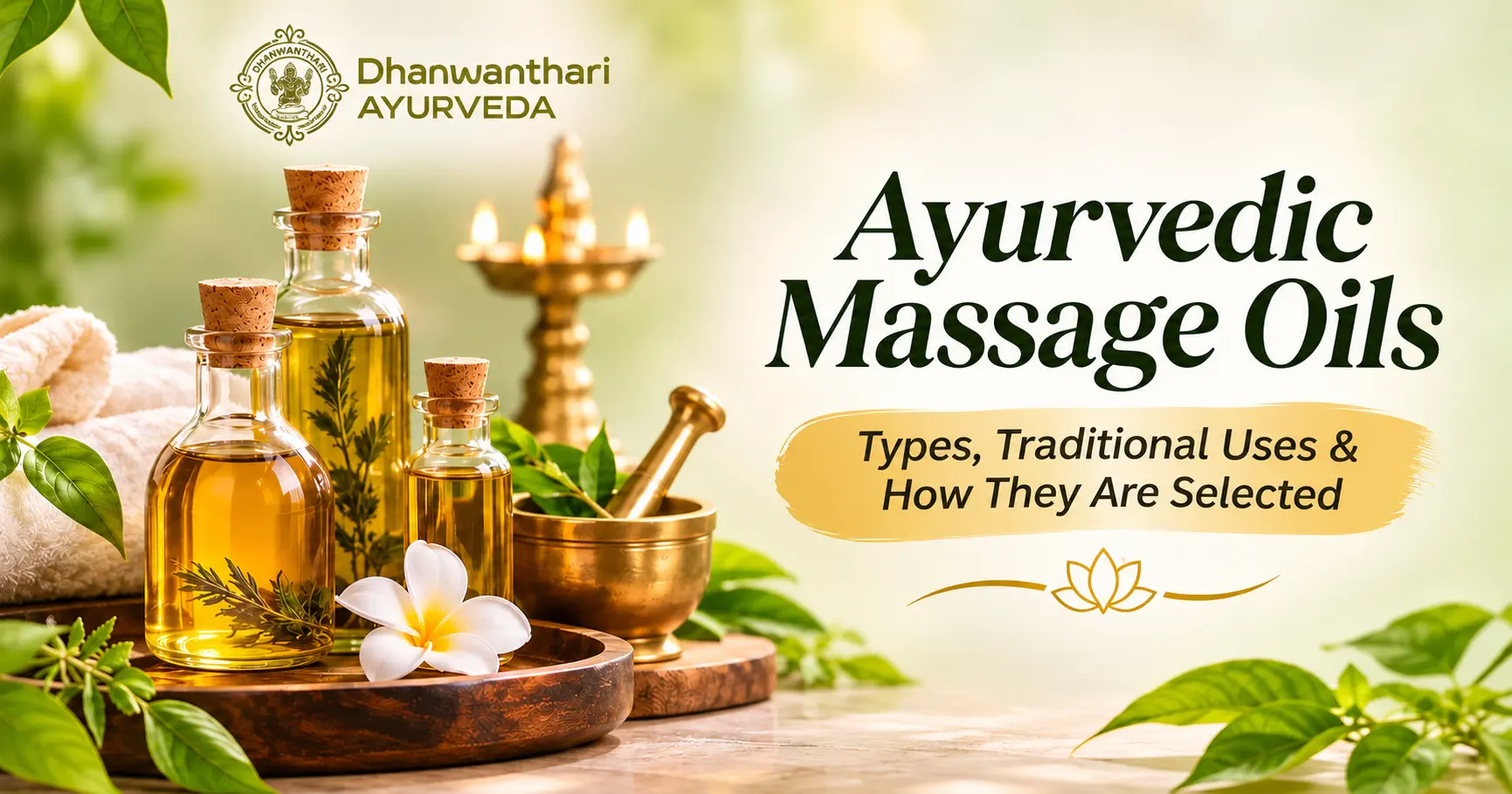

Ayurvedic massage oils are an important part of traditional Kerala Ayurveda. From sesame-based preparations to coconut oil and herbal formulations, different oils have long been used in Ayurvedic massage practices.
However, choosing an Ayurvedic massage oil involves more than selecting a pleasant fragrance or a popular herbal product. Traditional practitioners may consider the type of therapy, the individual’s skin condition, personal comfort and relevant health concerns before recommending a particular preparation.
If you are exploring Ayurvedic massage in Dubai, understanding the oils used during traditional treatments can help you ask informed questions and prepare for your appointment.
This guide explains common Ayurvedic massage oils, their traditional uses, how oil selection works and the precautions to consider before applying herbal preparations to the skin.
Why Are Oils Used in Traditional Ayurvedic Massage?
Oil application is a defining feature of several traditional Ayurvedic massage techniques, particularly Abhyangam.
In Ayurveda, applying oil to the body is traditionally associated with Snehana, or oleation, and may form part of everyday care practices or specialised therapeutic procedures.
Massage oils also serve a practical purpose. They reduce friction between the therapist’s hands and the skin, allowing massage movements to be performed more comfortably.
Some traditional preparations combine a base oil with selected herbs, creating formulations used according to established Ayurvedic practices.
The specific oil, its temperature and the method of application may vary depending on the procedure.
It is important to distinguish traditional Ayurvedic explanations from scientifically established medical effects. Applying herbal massage oil should not be considered a proven method for removing toxins or curing health conditions.
Common Types of Ayurvedic Massage Oils
Several plant-based oils are traditionally associated with Ayurvedic massage. Their ingredients, consistency and application methods can differ.
1. Sesame Oil – A Traditional Base for Abhyangam
Sesame oil, traditionally called Tila Taila, is widely associated with Ayurvedic massage and oil preparations.
It is used as a base in some traditional herbal formulations and is commonly mentioned in Ayurvedic descriptions of Abhyangam.
In classical Ayurvedic practice, sesame oil is often associated with warming qualities and is traditionally discussed in relation to Vata-focused routines.
These descriptions reflect traditional Ayurvedic concepts, not proven clinical classifications of skin or medical conditions.
What should you consider before using sesame oil?
- Check for known sesame allergies.
- Ask whether the oil contains additional herbal ingredients.
- Discuss any existing skin irritation or sensitivity.
- Ensure the oil temperature is comfortable before application.
People with known sesame allergies should avoid sesame-based preparations unless an appropriately qualified healthcare professional advises otherwise.
2. Coconut Oil – A Common Traditional Massage Oil
Coconut oil is another plant-based oil used in traditional Indian skin-care and massage practices, particularly in Kerala.
In traditional Ayurveda, coconut oil is often described as having cooling qualities.
It may be used as a base oil or incorporated into selected herbal preparations.
Coconut oil can also help lubricate the skin during massage. However, individual skin responses vary, and it is not necessarily suitable for every skin type or condition.
Important considerations include:
- Existing coconut or ingredient allergies
- Sensitive or irritated skin
- Individual preferences about oil consistency
- Additional ingredients in the preparation
A practitioner should explain why a particular oil is being selected rather than assuming that one oil suits everyone.
3. Herbal Ayurvedic Massage Oils – Traditionally Prepared Formulations
Many traditional Ayurvedic massage preparations contain herbs processed with a base oil.
These formulations are often referred to as Tailam or Thailam.
Their composition can vary according to the preparation method and traditional formulation.
Some herbal oils use sesame oil as a base, while others use coconut oil or different plant-derived ingredients.
Because herbal preparations can contain multiple components, people should not assume they are automatically safer than conventional skincare products.
Ask about the ingredients, intended method of application and any relevant precautions before treatment.
4. Specialised Oils for Different Ayurvedic Procedures
Not every Ayurvedic therapy uses the same quantity or type of oil.
Traditional full-body massage, head massage and selected specialised procedures may involve different preparations.
For example, an Abhyangam session may involve extensive body oil application, while Shiro Abhyanga primarily focuses on the scalp, head and surrounding areas.
Other Ayurvedic procedures may involve herbal bundles, warm liquids or combinations of traditional techniques.
Understanding these differences helps patients recognise why oil selection should be considered within the context of the complete treatment.
How Are Ayurvedic Massage Oils Traditionally Selected?
The choice of oil may depend on several traditional and practical factors.
Traditional Ayurvedic Body Constitution
Ayurveda describes individual constitution using the concepts of Vata, Pitta and Kapha.
Traditionally, practitioners may consider these concepts when discussing oils, daily routines and therapy selection.
For example, some Ayurvedic traditions associate sesame-based oils with Vata-oriented practices and coconut-based oils with Pitta-oriented practices.
These are traditional interpretations and should not be presented as modern diagnostic findings.
Individual Skin Sensitivity
Before applying oil, a practitioner should ask about allergies, rashes, eczema, previous reactions and other relevant skin concerns.
An oil that is comfortable for one person may cause irritation in another.
Ingredients and concentrations can vary significantly between products.
Type of Ayurvedic Therapy
The intended procedure is another important consideration.
A full-body oil massage and a specialised Ayurvedic head treatment do not necessarily require the same preparation.
The practitioner should explain which products are being used and how they relate to the chosen procedure.
Temperature and Personal Comfort
Some Ayurvedic massage practices involve gently warmed oils.
Temperature should always be checked before application, particularly for people with sensitive skin or reduced ability to feel heat.
Excessively hot oil can cause burns and should never be applied.
Ayurvedic Massage Oils Used in Abhyangam
Abhyangam, also known as Abhyanga, is a traditional Ayurvedic oil massage involving systematic massage movements.
Oil application is one of its defining features.
Depending on the practitioner and treatment plan, selected plant-based or herbal oils may be applied using rhythmic massage techniques.
An Abhyangam appointment may involve discussing the individual’s preferences, existing health conditions, allergies and suitability for the procedure.
The purpose of this assessment is to help select an appropriate treatment experience and identify any necessary precautions.
At Dhanwanthari Ayurveda, Abhyangam is one of the traditional therapies listed among its available services.
For more information, explore Abhyangam treatment in Dubai.
Are Ayurvedic Massage Oils Safe for Everyone?
Although many Ayurvedic massage oils contain plant-derived ingredients, natural products can still cause unwanted reactions.
Certain herbal oil preparations have been associated with allergic contact dermatitis and other skin reactions.
Before undergoing an oil-based massage, inform the practitioner if you have:
- Known sesame, coconut or herbal ingredient allergies
- Eczema, dermatitis or sensitive skin
- Open wounds, burns or skin infections
- Previous reactions to massage oils or cosmetics
- Recent surgery, injuries or other relevant health concerns
People experiencing unexplained skin symptoms should seek appropriate medical advice before using unfamiliar topical preparations.
If an oil causes itching, redness, swelling or discomfort, stop using it and seek professional guidance.
Severe allergic symptoms require urgent medical attention.
A practitioner may recommend avoiding a particular product or postponing the procedure depending on the circumstances.
What Should You Ask Before an Ayurvedic Oil Massage?
Before your appointment, consider asking these practical questions:
- Which oil will be used? Ask about its base ingredients and any added herbal preparations.
- Why has this oil been selected? Understand the traditional reasoning and practical considerations.
- Will the oil be warmed? Confirm that appropriate temperature precautions are followed.
- What if I have sensitive skin? Discuss previous reactions and the suitability of the product.
- How long will the oil remain on my skin? Ask about washing and aftercare instructions.
- Can the treatment be modified if necessary? Understand whether an alternative preparation or procedure is available.
Being informed about the products used during massage is an important part of making a comfortable and appropriate treatment decision.
Ayurvedic Oil Massage at Dhanwanthari Ayurveda in Dubai
Dhanwanthari Ayurvedic Medical Center in Bur Dubai offers traditional Kerala Ayurvedic therapies, including Abhyangam and other practitioner-guided procedures.
The clinic describes the use of selected herbal oils as part of its traditional massage treatments.
People interested in these procedures can discuss available therapies, individual preferences and any relevant health concerns during a consultation.
If you are looking for an Ayurvedic clinic in Dubai, you can explore Dhanwanthari Ayurveda’s consultations, practitioner profiles and traditional services.
To understand the techniques and treatment options available, visit the detailed guide to Ayurvedic massage in Dubai.
FAQ About Ayurvedic Massage Oils
1. Which oil is commonly used in Ayurvedic massage?
Sesame oil and coconut oil are among the plant-based oils traditionally associated with Ayurvedic massage. Herbal preparations may also use these or other base oils. The selection depends on the procedure and individual suitability.
2. Is sesame oil better than coconut oil for Ayurvedic massage?
Neither oil is universally better. Traditional Ayurveda describes them differently, but individual skin sensitivity, allergies, personal preference and treatment requirements are important practical considerations.
3. What oils are traditionally used for Abhyangam?
Abhyangam may involve sesame-based preparations or selected herbal massage oils. The specific preparation varies according to traditional practice and practitioner assessment.
4. Can Ayurvedic massage oils cause skin allergies?
Yes. Plant-based oils and herbal preparations can cause irritation or allergic reactions in some people. Inform the practitioner about known allergies and previous reactions before application.
5. Are Ayurvedic herbal oils the same as essential oils?
No. Traditional Ayurvedic herbal oils generally involve herbs prepared in a base oil. Essential oils are concentrated aromatic extracts and have different formulation and dilution requirements.
6. Can I use Ayurvedic massage oils at home?
Some products are intended for general external use, while specialised preparations may require professional guidance. Always follow product instructions and check with a healthcare professional if you have allergies, skin conditions or other medical concerns.
7. Where can I learn more about Ayurvedic oil massage in Dubai?
Dhanwanthari Ayurveda in Bur Dubai provides information about traditional Kerala massage procedures, including Abhyangam and other Ayurvedic treatments. Contact the clinic to confirm available therapies and the preparations used.
Final Thoughts
Ayurvedic massage oils have an established place in traditional Kerala Ayurveda, particularly in treatments such as Abhyangam.
Sesame oil, coconut oil and specially prepared herbal formulations differ in their traditional descriptions, ingredients and application methods.
However, the most appropriate oil is not necessarily the most popular one. Individual preferences, allergies, skin conditions and the selected therapy should all be considered.
Understanding what an oil contains and why it has been selected can help you make a more informed decision before your appointment.
Interested in traditional Ayurvedic oil massage in Dubai? Explore Dhanwanthari Ayurveda’s available therapies and speak with the clinic about the procedures and preparations suitable for your needs.