


Kizhi Ayurveda: A Traditional Healing Therapy for Modern Wellness
Ayurveda, the ancient system of natural healing from India, offers a wide range of therapies designed to restore balance in the body and mind. One such powerful and rejuvenating treatment is Kizhi, a specialized therapy known for its effectiveness in relieving pain, improving circulation, and promoting overall well being.
What is Kizhi Therapy?
Kizhi is a traditional Ayurvedic treatment that involves the use of herbal poultices (bundles) filled with medicinal herbs, powders, or rice. These bundles are heated in herbal oils and then rhythmically applied to the body. The therapy combines the benefits of heat, herbal medicine, and therapeutic massage, making it a deeply relaxing and healing experience.
The word “Kizhi” refers to the pouch or bundle used during the treatment. Depending on the condition being treated, different types of Kizhi are used.
Types of Kizhi Treatments
There are several variations of Kizhi therapy, each designed for specific health concerns:
- Ela Kizhi (Leaf Poultice): Uses medicinal leaves fried in herbal oils, ideal for joint pain and inflammation.
- Podi Kizhi (Powder Poultice): Contains herbal powders, helpful for obesity, stiffness, and detoxification.
- Njavara Kizhi (Rice Poultice): Made with medicated rice cooked in milk and herbs, used for rejuvenation and nourishment.
Each type targets different imbalances in the body, particularly those related to the Vata dosha, which is often responsible for pain and stiffness.
Benefits of Kizhi Therapy
Kizhi therapy offers a wide range of health benefits, making it popular in Ayurvedic clinics worldwide:
- Relieves Joint and Muscle Pain: Highly effective for arthritis, back pain, and sports injuries.
- Improves Blood Circulation: The heat and massage stimulate better flow of blood and oxygen.
- Reduces Inflammation: Herbal ingredients help reduce swelling and stiffness.
- Detoxifies the Body: Helps eliminate toxins (Ama) from tissues.
- Enhances Skin Health: Improves texture and promotes natural glow.
- Promotes Relaxation: Reduces stress and calms the nervous system.
How the Treatment is Performed
A typical Kizhi session begins with a gentle oil massage to prepare the body. The herbal bundles are then heated and applied to specific areas or the entire body using synchronized movements. The therapist continuously reheats the bundles to maintain optimal temperature.
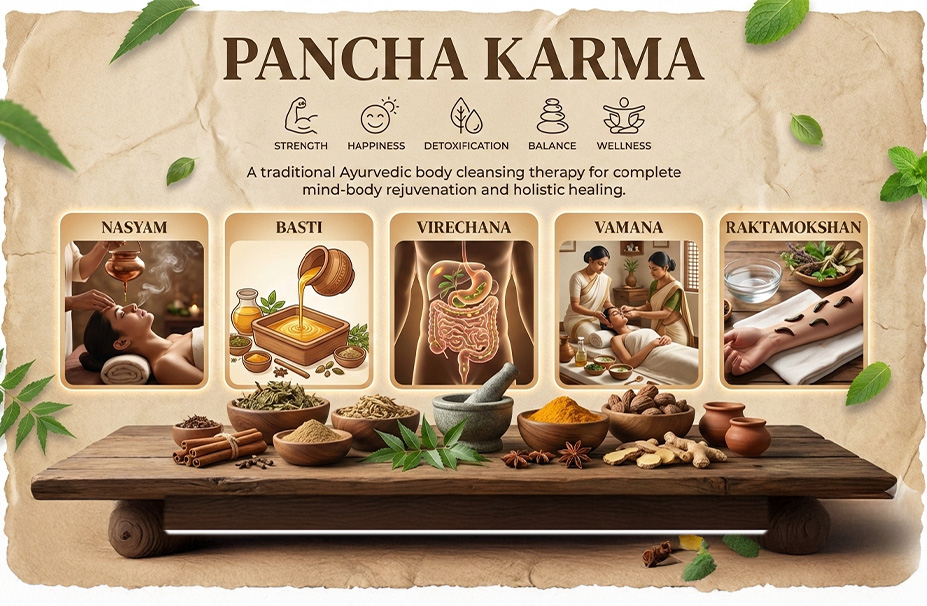
The duration of the treatment usually ranges from 30 to 60 minutes, depending on the condition and type of Kizhi used. It is often recommended as part of a broader Ayurvedic treatment plan, such as Panchakarma detox.
Who Can Benefit from Kizhi?
Kizhi therapy is suitable for individuals suffering from:
- Chronic pain conditions like arthritis and spondylosis
- Muscle stiffness and fatigue
- Sports injuries
- Neurological disorders
- Stress and anxiety
However, it may not be suitable for people with certain conditions like high fever, skin infections, or pregnancy. A consultation with an Ayurvedic practitioner is essential before starting the therapy.
Kizhi Ayurveda therapy is a powerful blend of traditional wisdom and therapeutic technique. By combining heat, herbs, and massage, it addresses both physical discomfort and mental stress. Whether you’re seeking pain relief, detoxification, or relaxation, Kizhi offers a natural and holistic path to wellness perfectly suited for today’s fast-paced lifestyle.
Frequently Asked Questions (FAQ)
1. What is Kizhi therapy in Ayurveda?
Kizhi is a traditional Ayurvedic treatment where warm herbal poultices (bundles) are applied to the body to relieve pain, reduce inflammation, and improve circulation.
2. Is Kizhi therapy painful?
No, Kizhi therapy is generally relaxing and soothing. The heat and rhythmic movements help ease muscle tension rather than cause discomfort.
3. How long does a Kizhi session take?
A typical session lasts between 30 to 60 minutes, depending on the treatment plan and the patient’s condition.
4. How many sessions are required for best results?
Usually, 7 to 14 sessions are recommended for noticeable results. However, the exact number depends on the severity of the condition.