



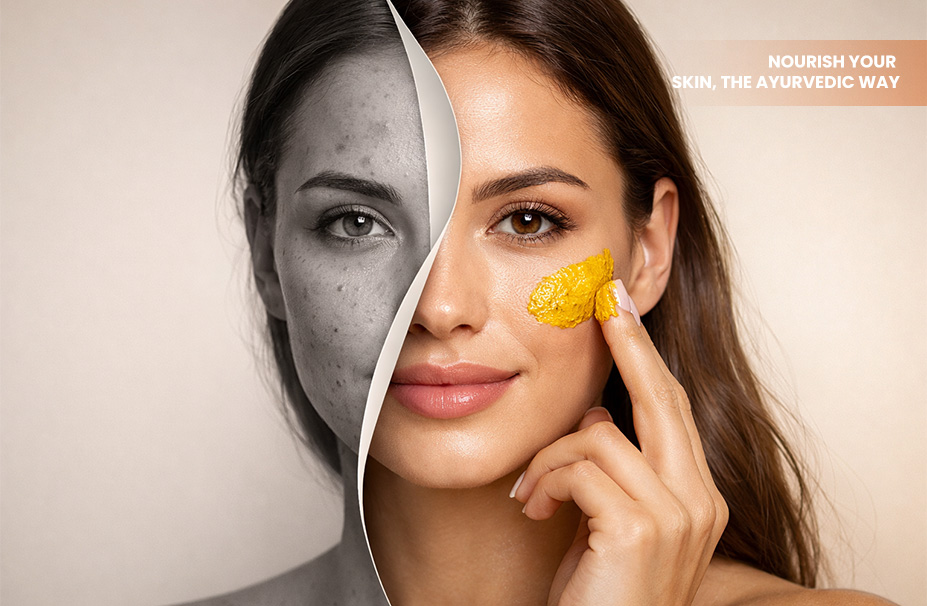
When the winter breeze sets in, our skin often pays the price. Dryness, flakiness, rough texture, and a dull complexion become common concerns as temperatures drop and humidity levels decrease. While most people reach for heavy creams and moisturizers, Ayurveda offers a deeper, more holistic solution. Ayurvedic Skin Care in Winter is about balancing the body’s internal energies—especially the Vata dosha—to nurture the skin from within and restore its natural glow.
Ayurveda, the ancient Indian system of wellness, believes that our skin reflects our internal health. During winter, the Vata dosha—characterized by dryness, cold, and roughness—dominates, making it essential to adapt skincare rituals that counter these qualities. This is where the time-tested therapies and herbal formulations of Dhanwanthari Ayurveda come into play, providing nourishment, hydration, and rejuvenation tailored to each individual’s body constitution.
Understanding the Winter Skin Challenge
Winter is synonymous with Vata aggravation in Ayurvedic science. Vata governs movement, air, and space elements in the body. When it becomes imbalanced, it leads to dryness, dehydration, and premature aging of the skin. Common symptoms include:
-
Tightness and rough texture
-
Cracked lips and heels
-
Flaky or itchy patches
-
Increased sensitivity
-
Dull and lifeless appearance
Conventional skincare products often offer temporary relief but fail to address the root cause. Ayurvedic Skin Care in Winter emphasizes internal nourishment through warm oils, herbs, diet, and lifestyle adjustments that keep the Vata energy stable, ensuring lasting skin health and radiance.
The Ayurvedic Approach to Winter Skincare
Ayurveda teaches that true beauty begins with balance—inside and out. When the doshas are harmonized, the skin naturally radiates vitality. For winter, Ayurvedic skincare focuses on three pillars: hydration, nourishment, and rejuvenation.
1. Abhyanga: The Power of Self-Massage
One of the most effective Ayurvedic rituals for winter is Abhyanga, the daily self-massage using warm herbal oils. Sesame oil, in particular, is known for its deep-penetrating and Vata-pacifying qualities. Regular Abhyanga improves blood circulation, strengthens tissues, and locks in moisture, leaving the skin supple and glowing.
At Dhanwanthari centers, customized Abhyanga therapies are enhanced with herbs like ashwagandha, manjistha, and bala, which nourish the skin and promote a youthful tone.
2. Herbal Steam and Cleansing
Gentle steaming using Ayurvedic herbs such as neem, tulsi, or vetiver helps open pores and remove impurities. Unlike harsh chemical exfoliants, these herbs purify the skin naturally without disturbing its natural oils. Herbal steam also improves the absorption of moisturizers and oils applied afterward.
3. Nourishing Herbal Masks
Winter skin thrives on herbal nourishment. Ayurvedic face packs made from sandalwood, turmeric, licorice, and rose petals not only brighten the complexion but also calm inflammation and dryness. Applying these masks once or twice a week maintains softness and radiance.
Diet and Lifestyle for Vata-Balanced Skin
Ayurveda emphasizes that what we eat has a direct impact on our skin’s appearance. In winter, a diet that counters the cold and dryness of Vata is essential.
Recommended foods include:
-
Warm soups, stews, and porridges
-
Ghee, sesame oil, and avocados for internal hydration
-
Sweet, sour, and salty tastes to balance Vata
-
Herbal teas made with ginger, cinnamon, and cardamom
Lifestyle practices:
-
Get adequate sleep and manage stress through meditation or yoga.
-
Avoid long exposure to cold winds or very hot showers.
-
Hydrate regularly with warm water rather than cold drinks.
Together, these practices form the foundation of Ayurvedic Skin Care in Winter, keeping your skin nourished and vibrant from within.
Specialized Winter Skin Treatments
For those seeking professional care, Ayurveda offers specialized therapies that rejuvenate the skin at a deeper level. These treatments are tailored to individual doshas and skin types, ensuring personalized results.
1. Shirodhara
This therapy involves gently pouring warm herbal oil over the forehead, promoting relaxation and hormonal balance. It indirectly enhances skin texture by reducing stress, a major contributor to dull and aging skin.
2. Mukha Lepam
A traditional Ayurvedic facial treatment using herbal pastes, oils, and decoctions customized for Vata, Pitta, or Kapha skin types. In winter, Vata-pacifying ingredients like rose, aloe vera, and turmeric are commonly used to restore moisture and glow.
3. Udvartana
This herbal powder massage gently exfoliates the skin, removing dead cells and stimulating circulation. It’s an excellent therapy for maintaining smooth, soft skin during cold weather.
Such therapies, available as part of Ayurvedic Cosmetic Care in Dubai, are ideal for individuals looking for natural yet effective winter skincare alternatives.
The Role of Herbs in Ayurvedic Skin Care in Winter
Ayurveda harnesses the healing power of herbs to rejuvenate skin cells and restore vitality. Some of the most beneficial winter herbs include:
-
Aloe Vera: Deeply hydrates and heals chapped skin.
-
Sandalwood: Calms irritation and restores brightness.
-
Manjistha: Purifies blood and improves skin tone.
-
Ashwagandha: Strengthens tissues and reduces dryness.
-
Licorice: Lightens pigmentation and adds a natural glow.
These herbs, when used in the right combinations, not only nurture the skin but also help balance internal energies, promoting long-term radiance.
Why Choose Dhanwanthari Ayurveda for Winter Skincare
With decades of experience in authentic Ayurvedic treatments, Dhanwanthari combines traditional wisdom with modern diagnostic techniques to offer personalized skincare solutions. Each therapy is designed to harmonize the mind, body, and spirit, ensuring that beauty is both natural and sustainable.
Whether through rejuvenating oil massages, herbal facials, or customized wellness plans, Dhanwanthari’s experts address the unique needs of every individual, helping them achieve soft, radiant, and Vata-balanced skin throughout the winter season.
Conclusion
Ayurvedic Skin Care in Winter is not just about preventing dryness—it’s about restoring balance and nurturing the body holistically. By integrating Ayurvedic rituals, herbal therapies, and mindful living, you can maintain soft, glowing, and youthful skin even during the harshest cold months. Embrace this season as an opportunity to slow down, rejuvenate, and reconnect with your body’s natural rhythms.
With the right guidance from Ayurvedic experts and regular self-care, your skin can remain resilient, radiant, and Vata-balanced all year long.
FAQs
1. What is the best Ayurvedic oil for winter skin care?
Sesame oil is considered the best Vata-pacifying oil for winter. It deeply nourishes, strengthens, and moisturizes dry skin.
2. How often should I do Abhyanga during winter?
Daily self-massage before a warm shower is ideal. If time is limited, 3–4 times a week can still offer significant benefits.
3. Can Ayurvedic treatments help with sensitive or eczema-prone skin?
Yes. Ayurveda customizes treatments using soothing herbs and oils that calm inflammation and strengthen the skin barrier naturally.
4. Is diet really important for winter skin health?
Absolutely. A warm, Vata-balancing diet helps retain internal moisture, which reflects as soft, supple skin externally.
5. How soon can I see results from Ayurvedic skincare?
With consistency in oiling, diet, and herbal care, visible improvements can be noticed within 2–3 weeks, and long-term results follow with continued practice.